Clean water
Category 1Supply pipes, slab leaks, water heaters and softener hoses start clean. Caught early, most of the structure dries in place with extraction and dehumidification.
Monsoon runoff, slab leaks and hard-water tank failures reach local homes fast. The restoration team extracts standing water, dries the structure to the IICRC S500 standard and records every reading for the claim.
(888) 949-8496Monsoon water across the tile? Get extraction rollingSlab leaks, wash runoff, sewage backups and attic AC drips lead the calls across Marana and the Tortolita piedmont.
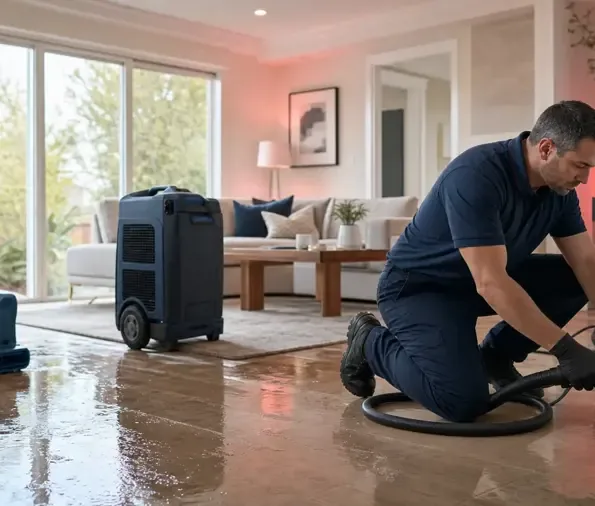
Marana Water Damage Restoration covers water and sewage losses only, from emergency extraction and slab leak drying to monsoon cleanup and phased commercial dry-outs, every day of the year.
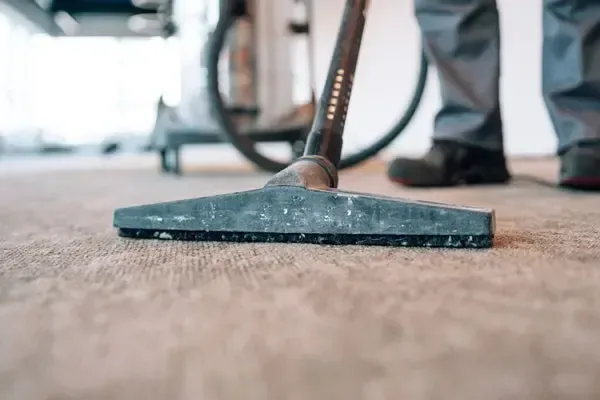 Water ExtractionTruck-mounted and portable extraction pulls standing water off tile, carpet and pad before it wicks into drywall and framing.View service
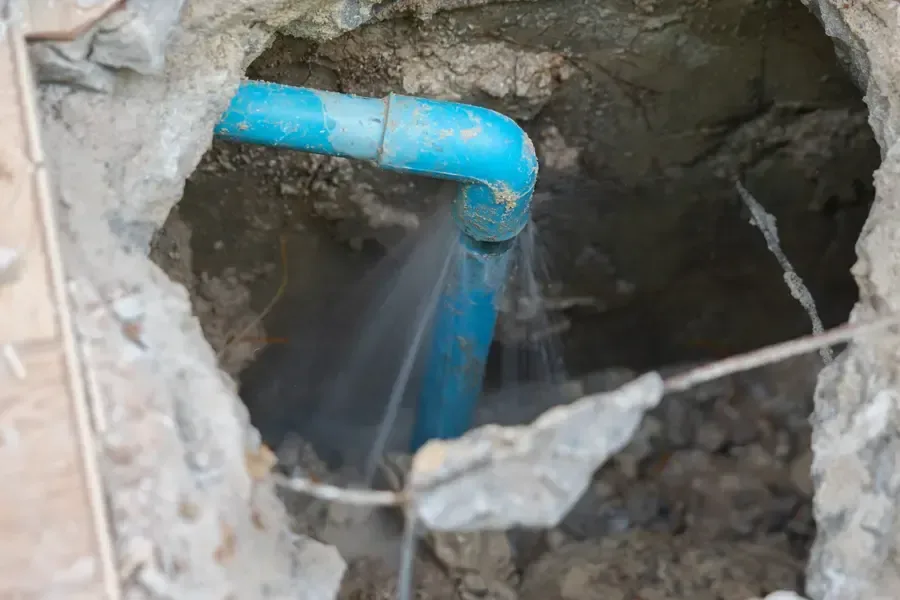 Slab Leak Water DamageA pinhole under the slab soaks flooring from below. Wet flooring comes up and the concrete and wall bottoms are dried.View service
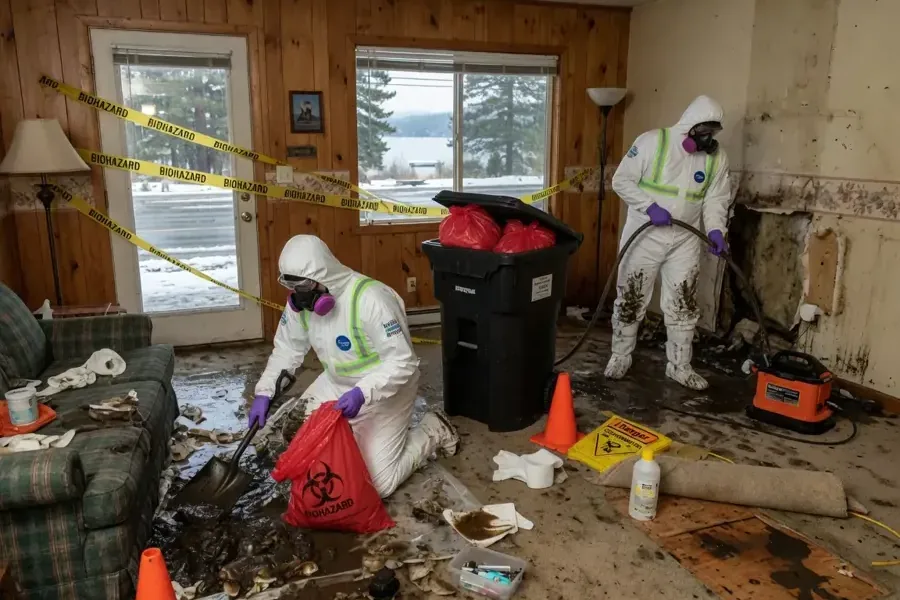 Sewage Backup CleanupToilet, tub and cleanout backups treated as Category 3 from the start, with porous materials removed and surfaces disinfected.View service
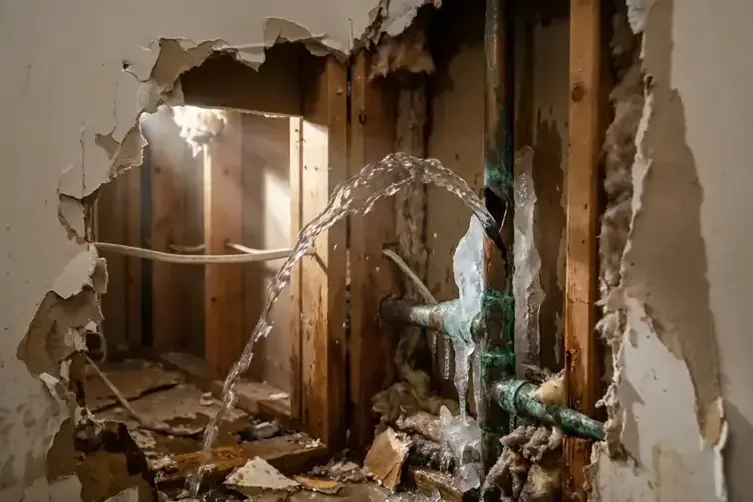 Burst Pipe Water DamageSplit fittings, failed PEX connections and winter freeze breaks extracted fast, with the wall cavities opened and dried.View service
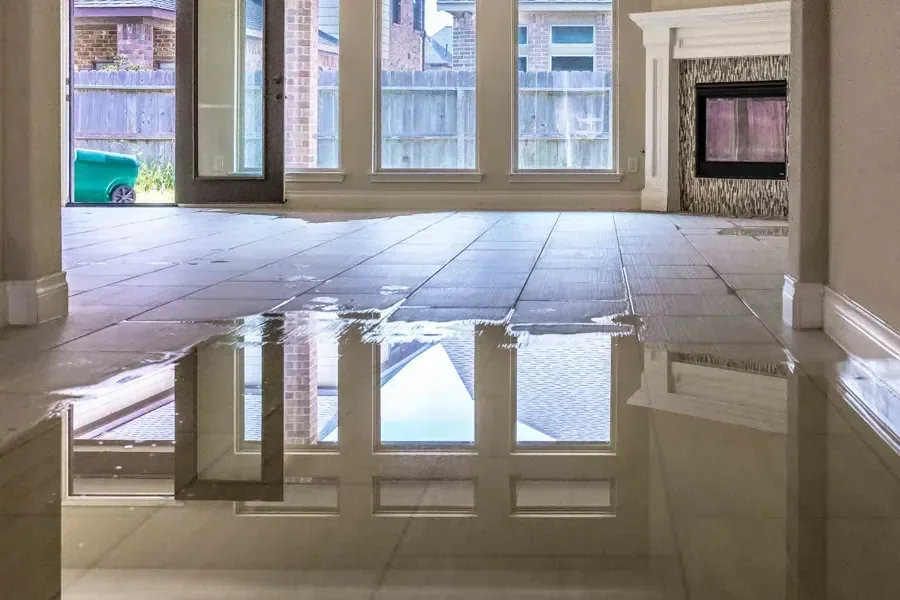 Monsoon Storm and Flood CleanupMonsoon downpours and wash runoff through doors, garages and weep screeds treated as contaminated and dried out.View service
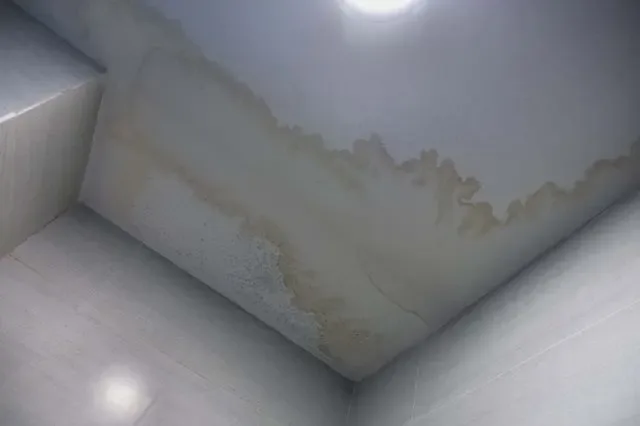 Roof Leak Water DamageFlat-roof scuppers, parapet seams and tile underlayment failures traced, wet attic insulation pulled and ceilings dried.View service
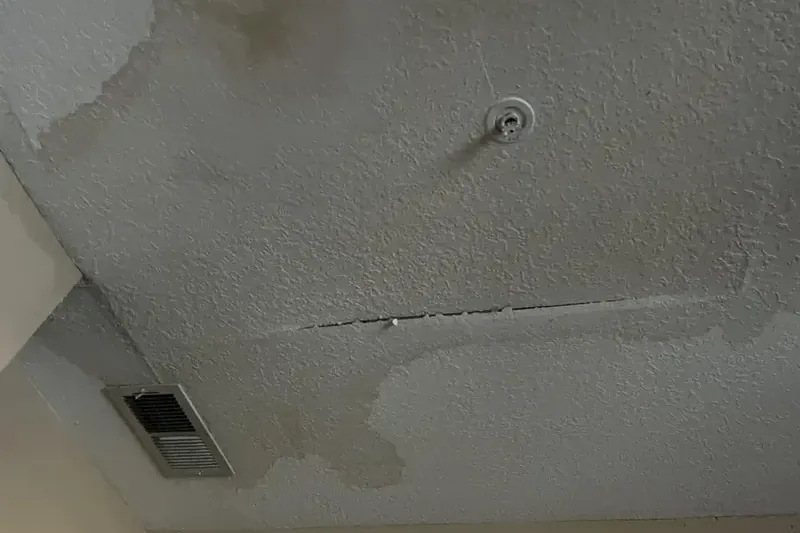 Ceiling Leak Water DamageA bath, supply or attic leak traced from below, drywall opened safely and the joist bays dried.View service
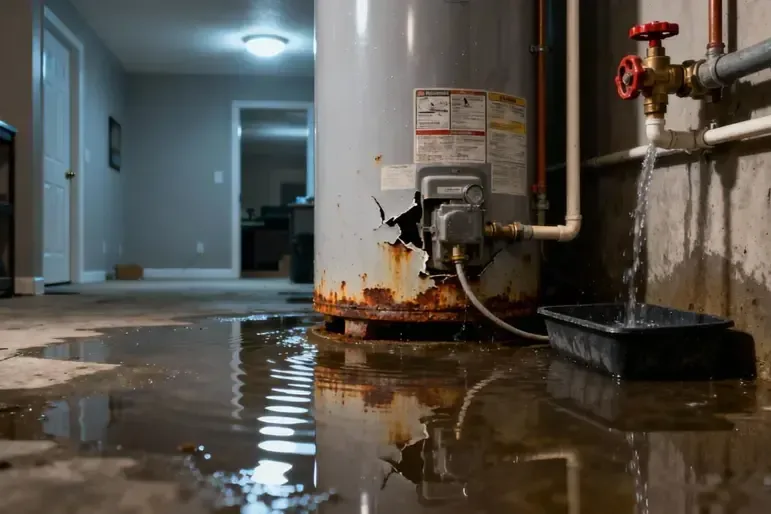 Water Heater Leak CleanupHard water scales tanks early. Garage and closet tank failures extracted before drywall and cabinets soak through.View service
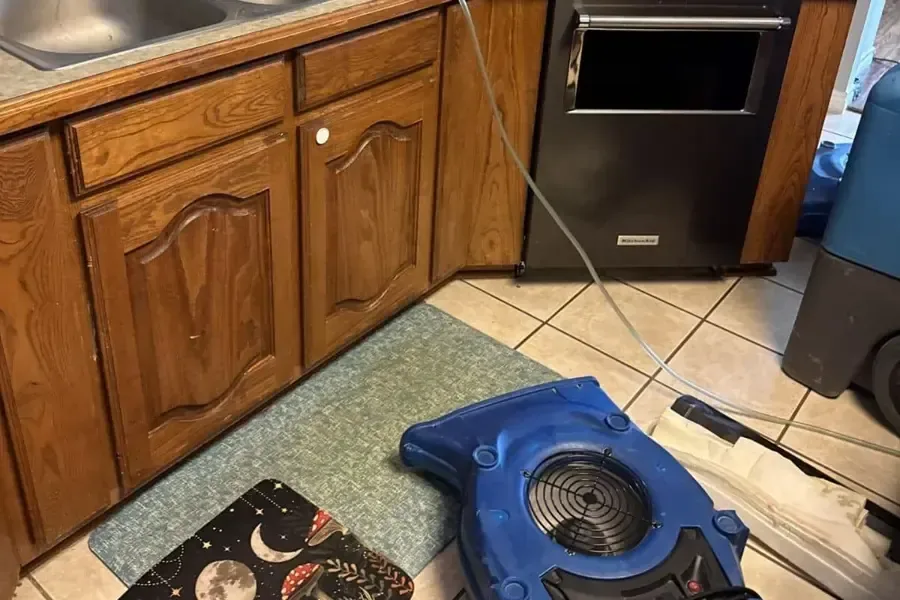 Appliance and Supply Hose LeaksSoftener, washer hose, dishwasher and ice maker leaks pulled from floors, toe kicks and cabinet bases.View service
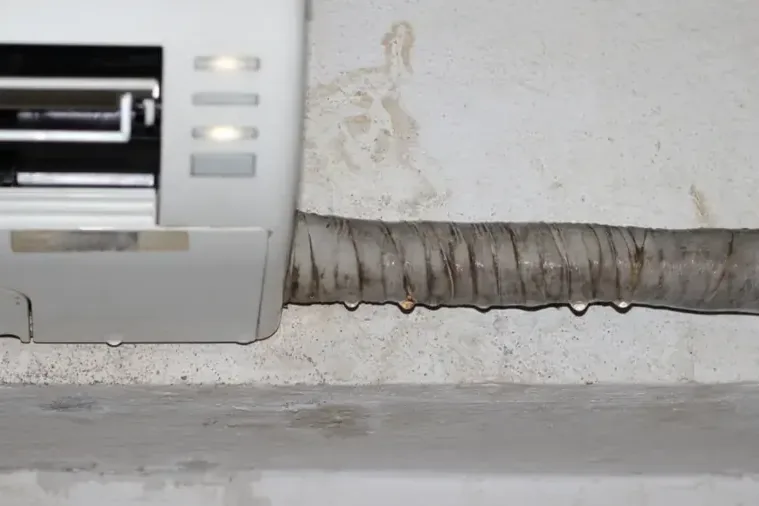 AC and Evaporative Cooler LeaksClogged condensate drains and overflowing pans on attic air handlers stopped, then every wet ceiling and wall dried.View service
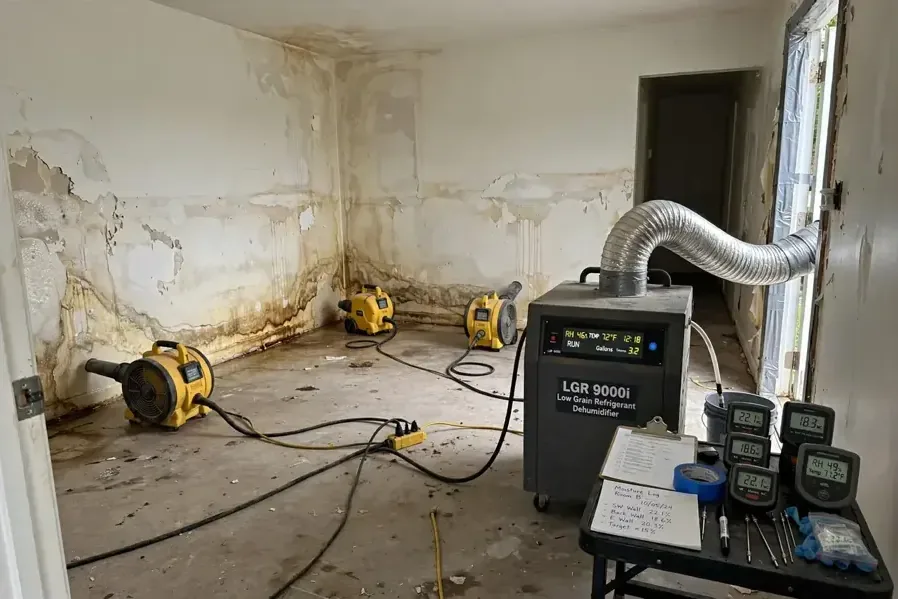 Structural Drying and DehumidificationFraming, subfloor, drywall and concrete dried to within 2 to 4 points of a dry reference, with daily readings.View service
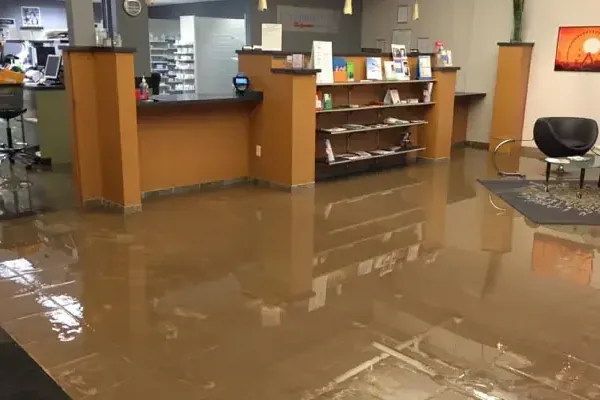 Commercial Water DamageShops, offices, clinics and warehouses near the interstate dried in phases to keep doors open.View service
Most water damage restoration jobs here run $1,500 to $18,000. A contained clean-water leak caught early sits at the low end, while Category 3 sewage or monsoon water across several rooms pushes toward the top or past it.
Ranges are typical, not a quote. Water category, square footage, material class and how fast drying started move the number most. The water damage cost calculator gives a closer range for a specific loss.
Adjusters pay on documentation. The mitigation team builds the file while the work happens, so the facts of the loss are on record before anything is torn out.
Sudden and accidental water, like a burst pipe, a failed water heater or an AC overflow, is often covered. Slow leaks that ran for weeks are usually treated differently.
Rising flood water and wash runoff usually need a separate flood policy. Coverage depends on your policy, so confirm the details with your own insurer before work is approved.
The restoration contractor who responds measures before tearing anything out, dries to numbers instead of feel and writes everything down, so the household and the adjuster see the same facts.
Dispatch runs 24/7, and active water is treated as urgent at any hour, with monsoon nights and holidays included.
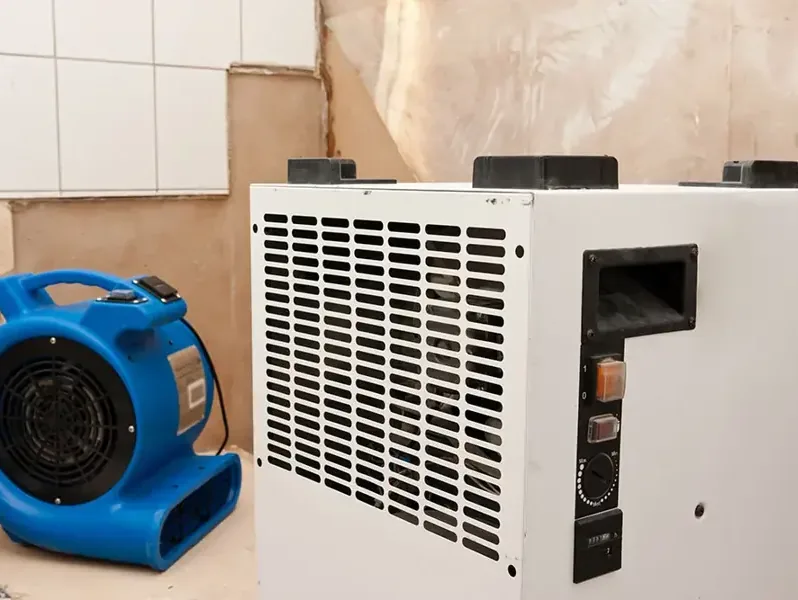
Air movers and LGR dehumidifiers sized to the class of loss, run until framing and slab readings match a dry reference.
Moisture maps, daily psychrometric logs and timestamped photos taken before any demolition, organized for the adjuster.
Slab subfloors, attic air handlers, hard-water scale and wash runoff shape how water moves through a house here.
Supply pipes, slab leaks, water heaters and softener hoses start clean. Caught early, most of the structure dries in place with extraction and dehumidification.
Washer discharge, dishwasher overflow and AC condensate pans carry soap and biofilm. Wet pad comes out and surfaces get an EPA-registered antimicrobial.
Sewage backups and monsoon runoff carry bacteria and silt. Porous materials above the waterline come out, and the crew works in full PPE.
IICRC S500 is the industry drying standard. It sets the category of water and the class of loss, then has the drying team prove the structure is dry with readings instead of guessing by touch.
Thermal imaging and meters trace water under tile, behind baseboards and up into wall cavities, then every wet area goes on a moisture map.
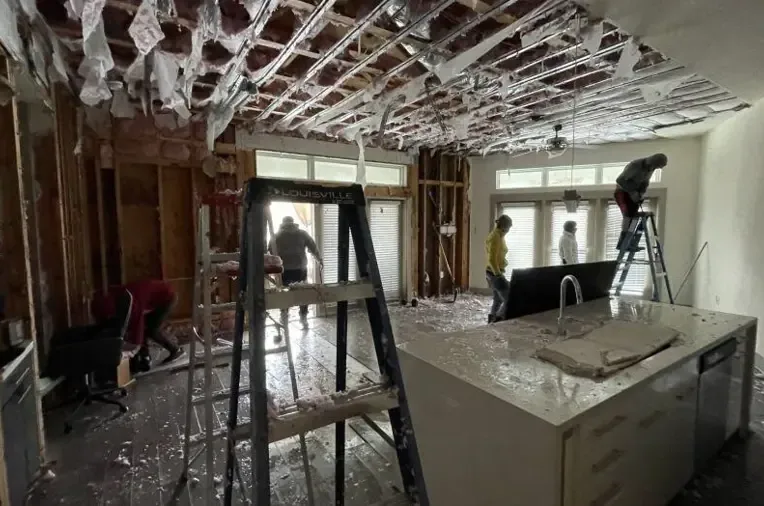
Truck-mounted extraction pulls the standing water. Wet pad, swollen baseboard and anything Category 3 water touched comes out.
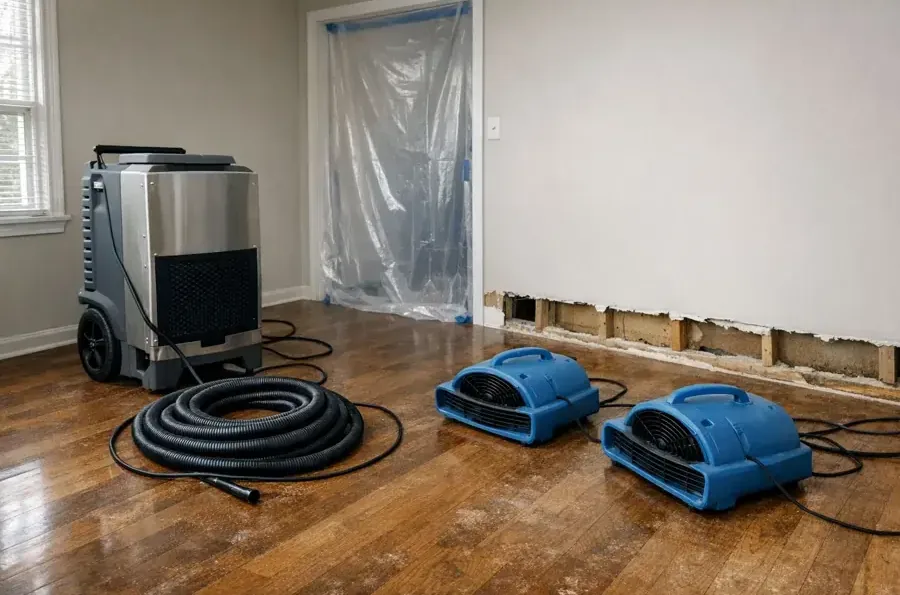
Air movers and LGR dehumidifiers run inside plastic containment, sized to the class of loss and the volume of each room.
Readings are logged every day. Equipment stays until materials sit within 2 to 4 points of a dry reference in the same house.
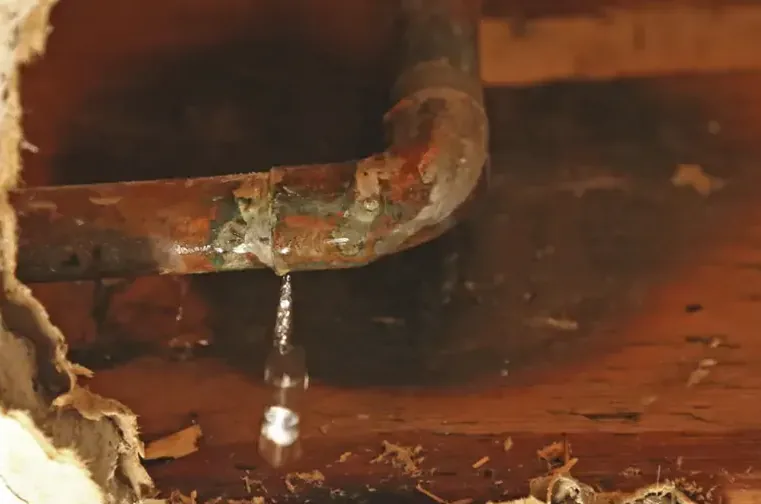
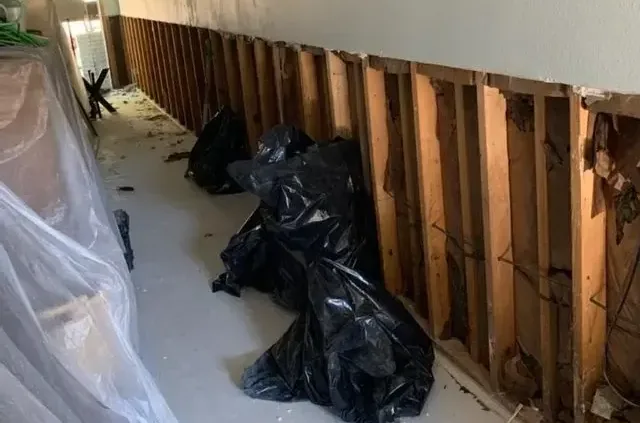
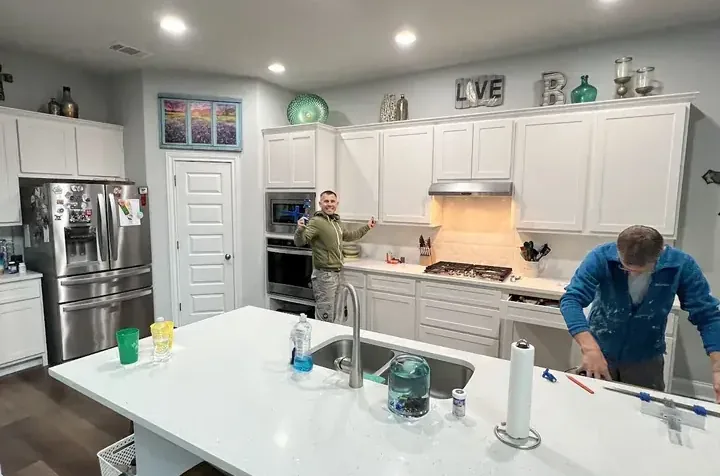
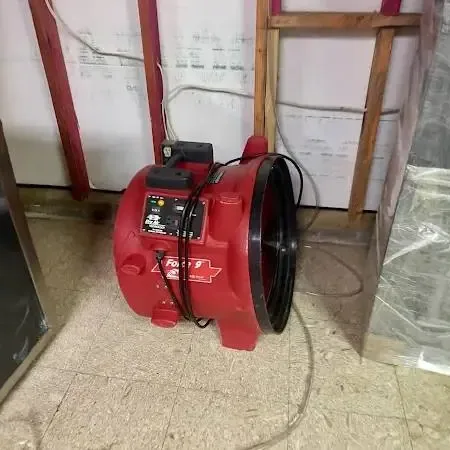
From Continental Ranch and Cortaro near the interstate to Gladden Farms, Saguaro Bloom and the Dove Mountain golf communities, the response team runs 24/7 dispatch for every ZIP listed here.
Name the neighborhood or cross street when calling, and say whether the water came from a pipe, the slab, the roof or a wash.
Marana, AZ · [email protected]
See every neighborhood and nearby town covered ›
(888) 949-8496Name the cross street, get extraction moving Find us on GoogleIncorporated in 1977, the town grew from about 2,000 residents in 1990 to more than 51,000 by 2020, so most houses are newer subdivisions. Desert tract homes like these typically sit on concrete slabs with air handlers in the attic.
1983: moisture from Tropical Storm Octave caused the worst flood in Pima County history, and floodwater covered almost the entire town.
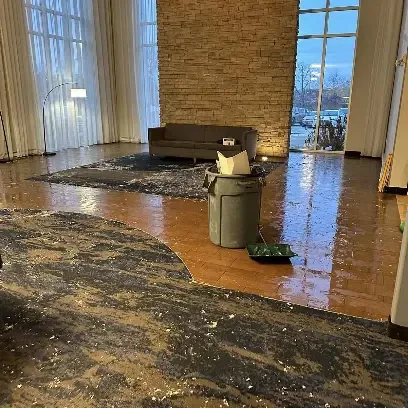
Summer monsoon cells drop heavy rain in a short burst, and runoff off the Tortolita piedmont follows washes toward homes. FEMA maps much of that piedmont as alluvial-fan flood area.
Severe flash floods hit the town in 1962 and again in 1983, and high water has since forced families to leave their homes and damaged houses.
Tap water in this part of Arizona runs hard, and the scale shortens water heater tank life and stiffens softener and appliance hoses.
Cooling runs most of the year here, and a clogged condensate drain or a rusted pan over a ceiling can soak drywall and insulation before anyone notices.
Supply pipes run under the slab, so a pinhole shows up as warm tile or damp carpet. Winter freezes are not uncommon, and exposed hose bibs and backflow assemblies split.
Shut off the main if it is safe, keep clear of wet outlets, then call. The drying team handles extraction, drying and the claim file.
(888) 949-8496 Get pumps and fans rollingDispatch runs 24/7, and active water is treated as urgent at any hour, weekends and monsoon nights included. Arrival depends on call volume and where the home sits, so the response team gives a time during the call.
Sudden and accidental water, like a burst pipe, a failed water heater or an AC overflow, is often covered. Rising flood water usually is not without a separate flood policy, and slow leaks are often excluded. Check your own policy and talk to your insurer.
Slab leaks, water heater failures sped up by hard water, attic condensate overflows, appliance and softener hoses, and monsoon runoff through doors and garages lead the list. Sewage backups from roots and grease in the lateral follow close behind.
Three to five days for most contained clean-water losses when drying starts quickly. Concrete slabs, hardwood and losses left wet for days take longer. Equipment stays until readings match a dry reference, not until surfaces feel dry.
It is the industry standard for professional water damage restoration. It defines the category of water and the class of loss, and it sets the drying goal: materials within 2 to 4 points of a dry reference, proven with daily readings.
Shut off the water and the power to wet rooms if it is safe, photograph everything before moving it, lift rugs and electronics off the floor and run the AC. Skip the box fans and household bleach.
When it touched Category 3 water, when it has swollen or crumbled, or when readings stay high after several days of drying. Clean-water drywall caught early can often be dried in place by pulling the baseboard and venting the cavity.
Sewage is Category 3 water carrying bacteria and viruses. Porous materials it touched above the waterline come out, surfaces get an EPA-registered antimicrobial at the label dwell time, and the crew wears full PPE behind containment.
By the water category, the square footage that got wet, the class of materials and how fast drying started. A small clean-water loss runs far less than sewage across several rooms. The walkthrough and moisture map set the actual scope.
Yes. Desert air does not dry wall cavities or carpet pad on its own, and mold can start growing on wet materials within 24 to 48 hours. That window is why extraction and dehumidification should start early.
Extraction, structural drying and a claim-ready file, run 24/7 across the town and nearby communities.
(888) 949-8496Dispatch a Marana drying crew