Pipes and slabs
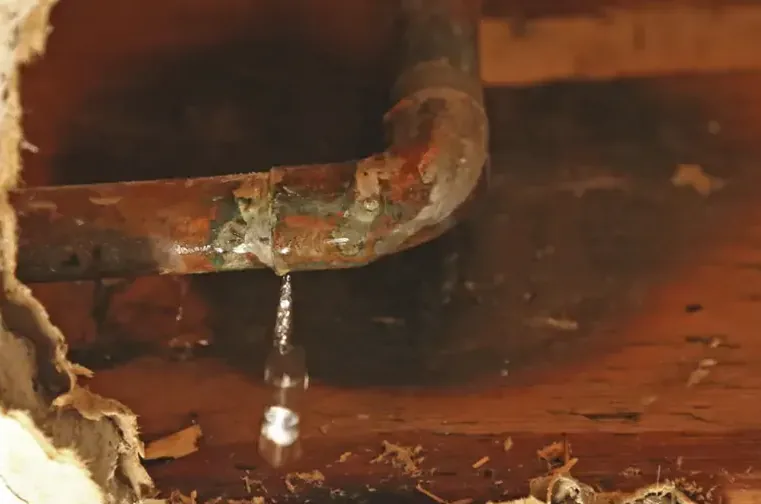
Category 1Supply pipes behind walls and under floors can fail without warning, soaking drywall and flooring long before a stain appears.
A failed hose, a roof leak or a monsoon downpour all leave the same problem: water in floors and wall bases that keeps spreading. The drying team removes it, then dries what stayed wet.
(888) 949-8496Call the Tucson drying crew nowPhotos and moisture readings are kept at every visit, so the loss is documented clearly for an adjuster or property manager.
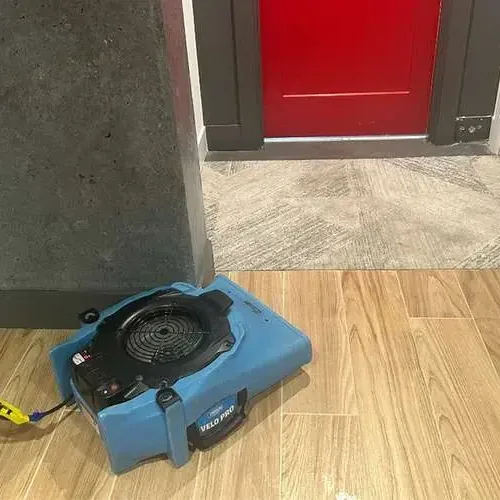
From one wet closet floor to a flooded ground floor, the extraction crew and drying team handle the water first, then dry the structure, in houses, apartments and shops.
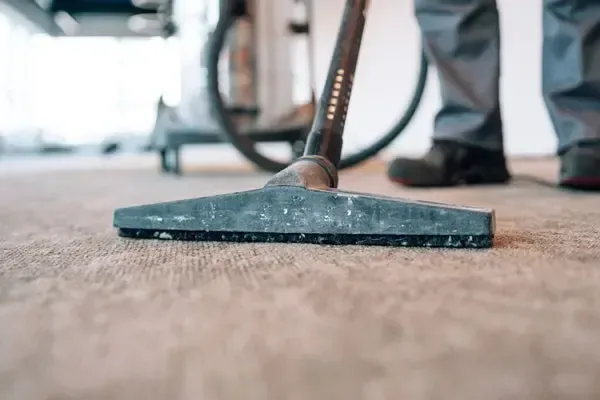 Water ExtractionPumps and wand extractors pull standing water from carpet, pad and hard floors before it soaks into the walls.View service
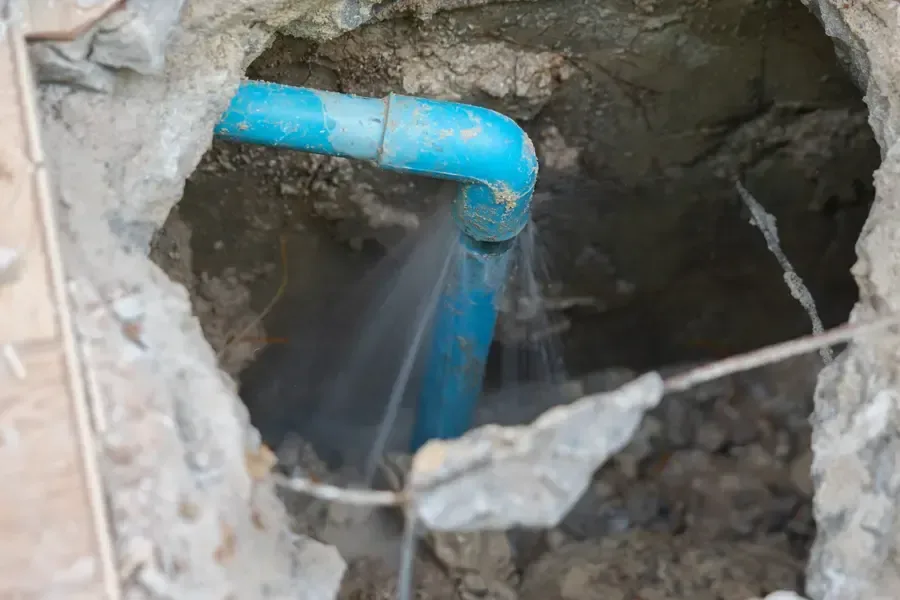 Slab Leak Water DamageA plumber traces the leak under the concrete, then wet flooring and wall bottoms are dried with measured, logged readings.View service
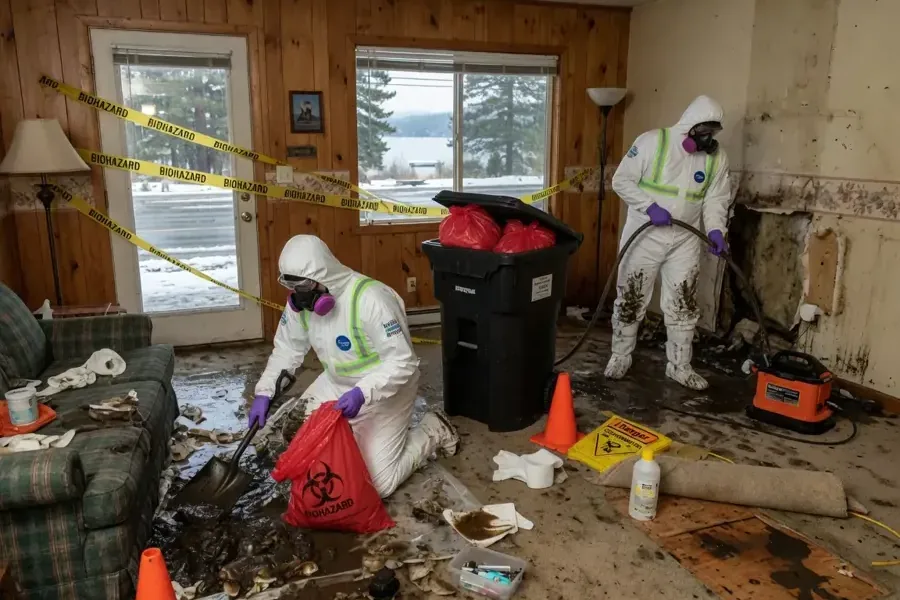 Sewage Backup CleanupContaminated water is pumped out, soiled materials are removed and every touched surface is cleaned in protective gear.View service
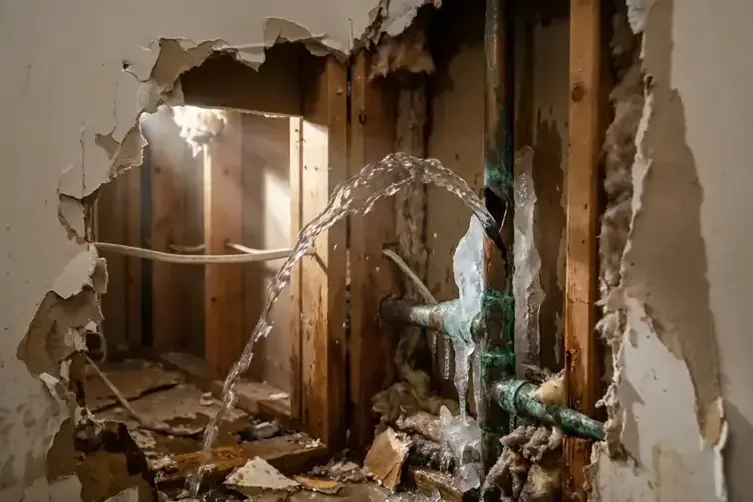 Burst Pipe Water DamageWater is stopped at the shutoff, pulled from floors and walls, and the opened cavities are dried in place.View service
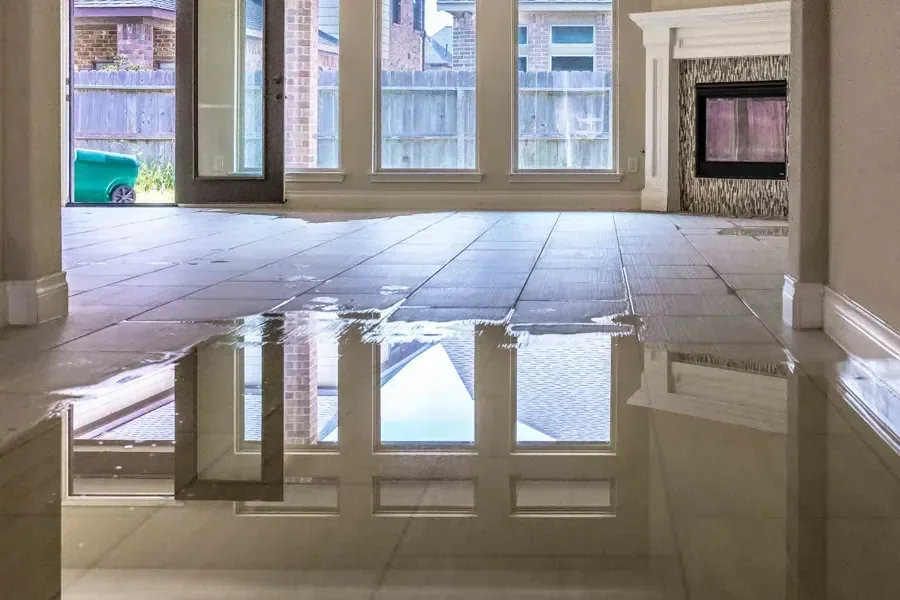 Monsoon Storm and Flood CleanupMonsoon runoff that reaches garages and ground floors is extracted, and the soaked structure is dried afterward.View service
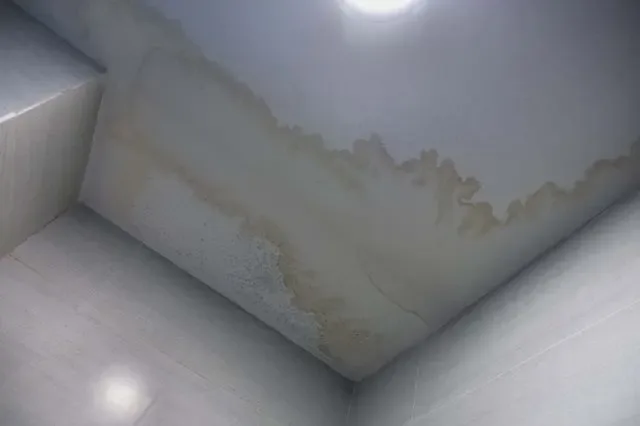 Roof Leak Water DamageRain that came through the roof is pulled from ceilings, insulation and floors below before it spreads.View service
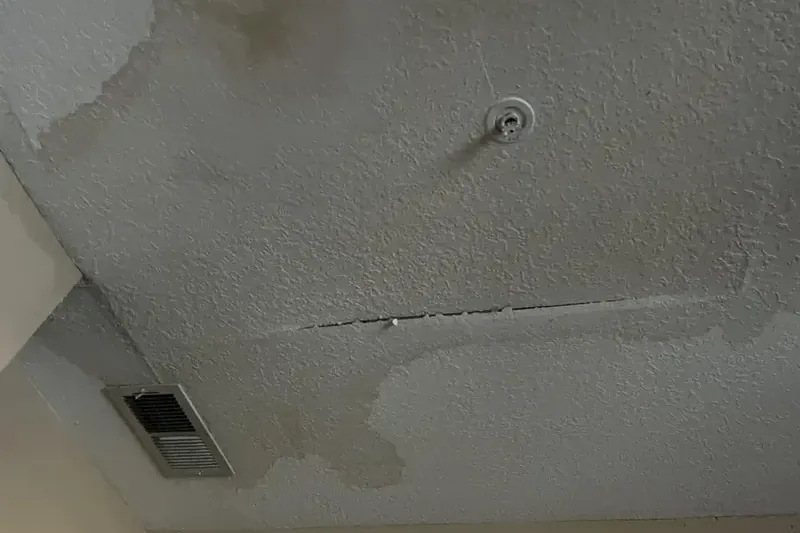 Ceiling Leak Water DamageA stained or sagging ceiling is traced to its source, opened where needed and dried before the damage spreads.View service
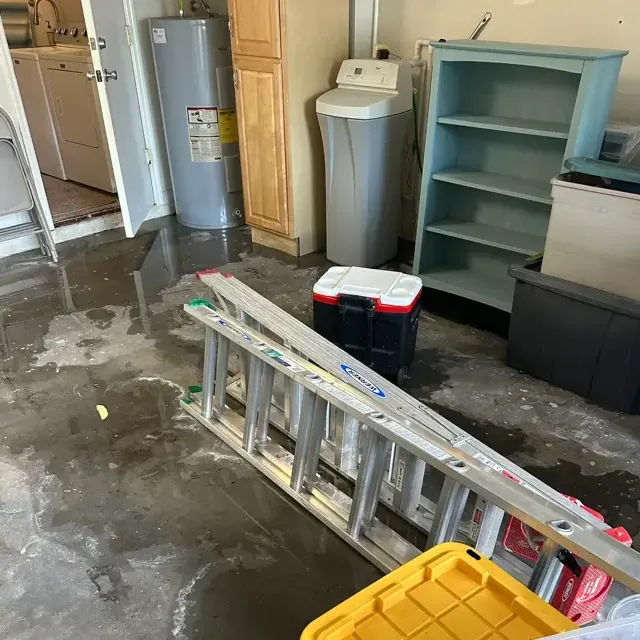
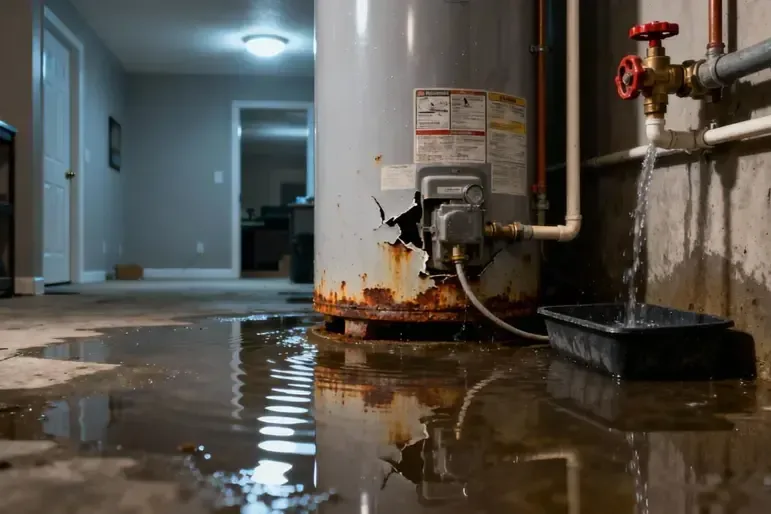 Water Heater Leak CleanupA leaking tank is shut off, the spill is extracted, and the floor and wall bottoms around it are dried.View service
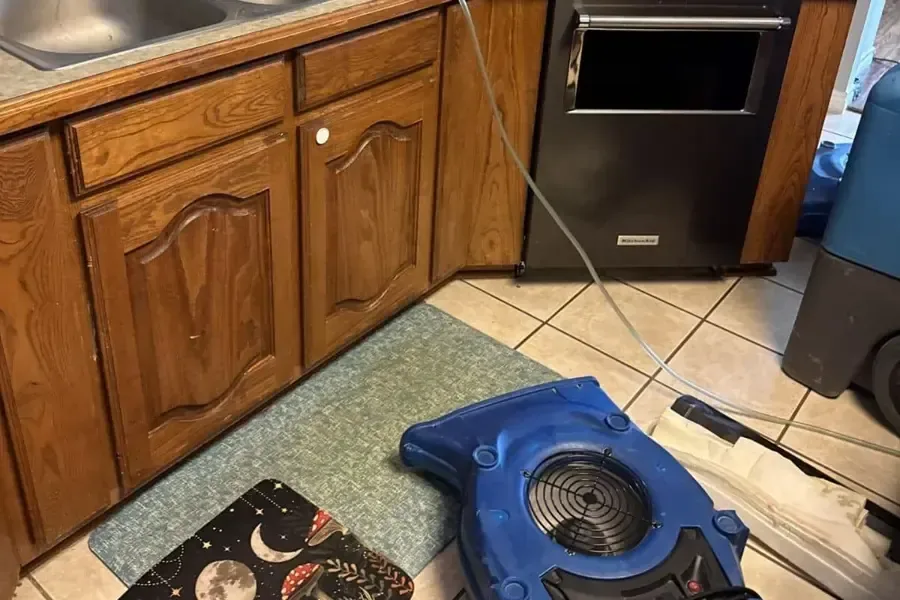 Appliance and Supply Hose LeaksWasher, dishwasher and ice maker hoses that let go are shut off, extracted and dried.View service
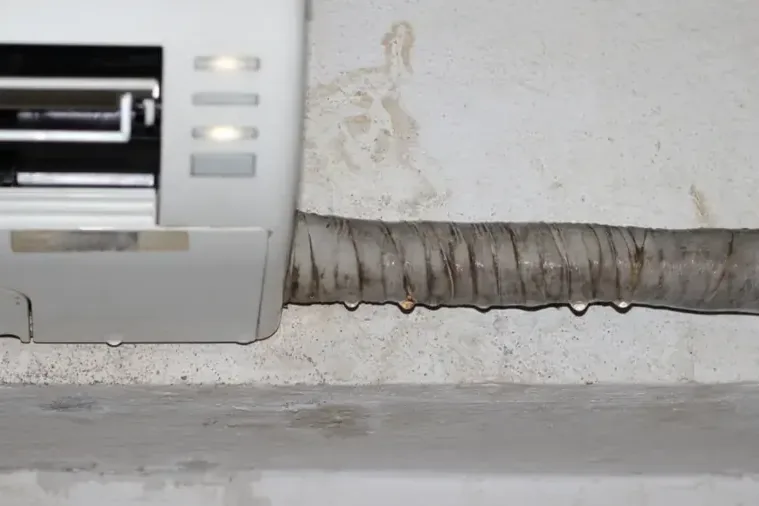 AC and Evaporative Cooler LeaksOverflowing drain pans and clogged condensate pipes soak ceilings and walls, and the damp area is opened and dried.View service
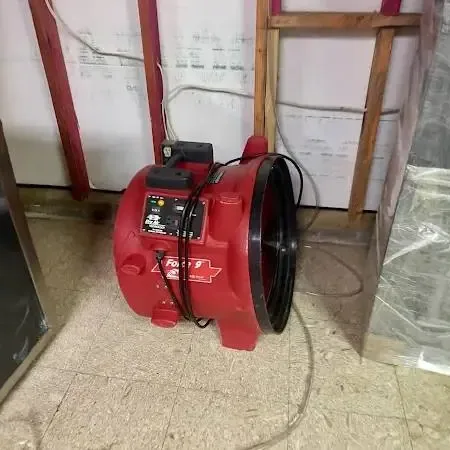
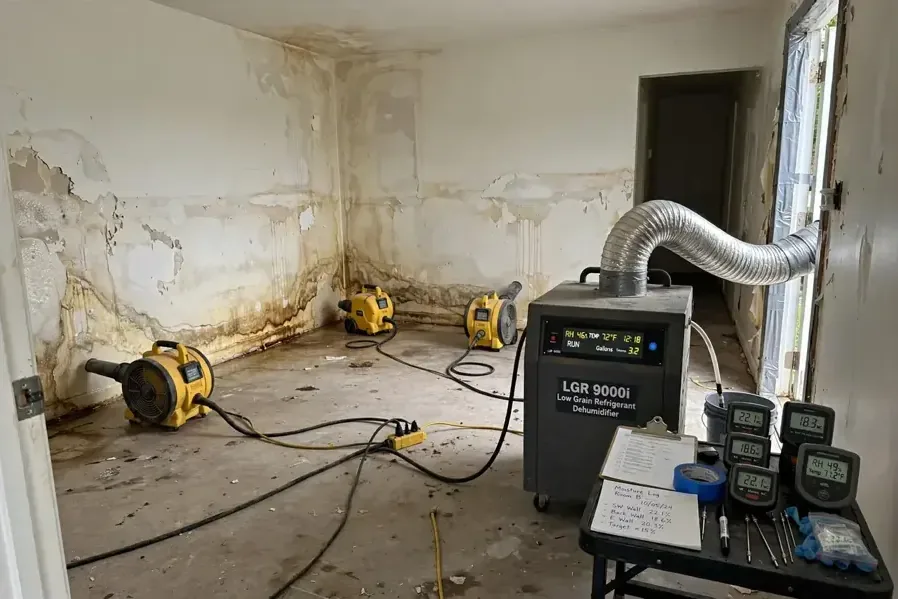 Structural Drying and DehumidificationLGR dehumidifiers, air movers and meters dry framing, subfloors and slabs, with readings logged to the finish.View service
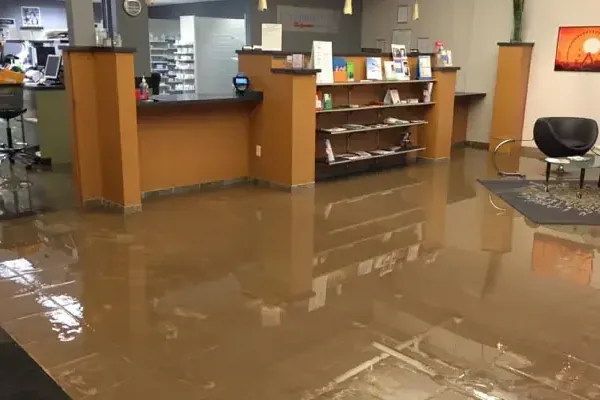 Commercial Water DamageShops, offices and restaurants get a drying plan built around keeping the space open and the loss documented.View service
Most Tucson water damage jobs fall between $1,500 and $18,000 or more. The range depends on how many rooms are wet, whether the water is clean or contaminated, and how long it sat.
These ranges are typical for homes, not quotes. For a closer figure, try the water damage cost calculator and compare it with the written scope once the loss is measured.
Adjusters look for clear records of what got wet, how far it spread and what was done about it. The crew keeps that paperwork as the work goes.
Shutting off the water, moving small items and taking photos are safe first jobs. Pulling up carpet or cutting drywall is better left to the crew, because wet materials can hide contamination, sharp tacks and electrical hazards.
Keep damaged items until an adjuster has seen them, and write down the date and time the water was first noticed.
Water damage here swings from dry summer heat to humid monsoon weeks, so the drying plan follows the readings in the walls and floors, not a fixed schedule.
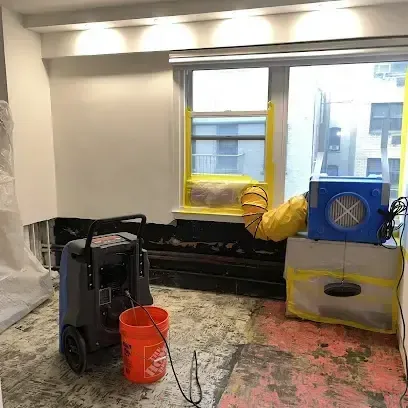
Meters and a thermal camera show where water traveled, so drying targets wet materials and not just the visible stain.
The work, the equipment and the readings are written down so the loss is easy to follow and easy to document.
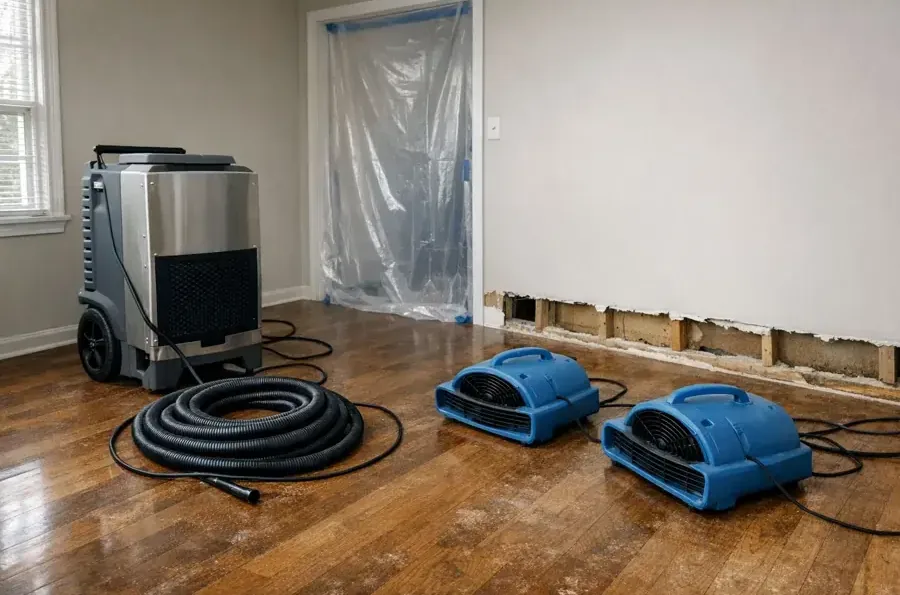
Plastic sheeting keeps the work zone separate from the rest of the home while the equipment runs.
The focus stays on water losses and sewage backups, so the methods and equipment fit the job.
Supply pipes behind walls and under floors can fail without warning, soaking drywall and flooring long before a stain appears.
Monsoon downpours test every roof, and water that gets in shows up as ceiling stains and wet insulation.
A backup can start in the private pipe or in the public sewer, and the first step is working out which.
Every job follows the same order: stop the source, remove the water, open what is trapped, dry with equipment and confirm with meters. The job ends when the readings say so, not on a set date.
The water source is found and stopped, and the work area is checked for electrical hazards before any equipment goes in.
Standing water comes out with pumps and wand extractors, since removing liquid water is quicker than waiting for it to evaporate.
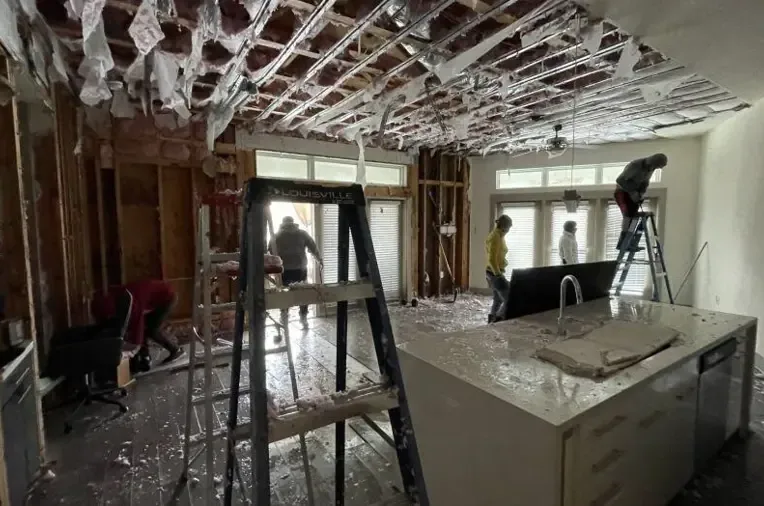
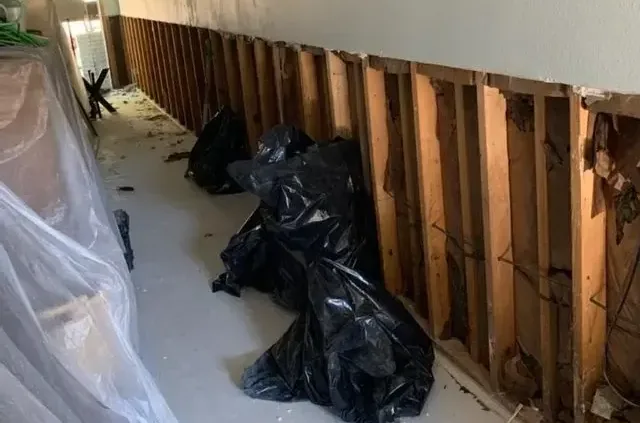
Wet baseboards, pad and drywall that cannot be saved are removed, and dehumidifiers and air movers are placed by room size and the season.
Meters track progress at each visit, and the equipment leaves only after the wet materials reach a dry reference.
The response team works across the basin, ringed by the Santa Catalina, Tortolita, Santa Rita, Rincon and Tucson Mountains, and in South Tucson, a separate incorporated town surrounded by the City of Tucson.
Jobs run from older adobe streets to newer east side neighborhoods, in houses, apartments and shops, and each one starts with the source of the water.
Tucson, AZ · [email protected]
(888) 949-8496Tucson water damage helpTucson sits on an alluvial plain in the Sonoran Desert, built along the Santa Cruz River, a dry riverbed much of the year that regularly floods during significant seasonal rains. Large areas have no storm sewers.
October 1983: Largest flood of record here: 6.5 to 7.5 inches of rain over 5 days, worst along the Santa Cruz River.
Intense thunderstorms and flash floods are possible, and the first storms come around July 3 on average, with activity lasting through August and often into September.
Large areas of the city have no storm sewers, so monsoon rain floods main roads, usually for no longer than a few hours.
Humidity is much higher during the monsoon, and daily highs average 98 to 102 degrees F, so AC and evaporative cooler leaks are a summer risk.
The city averages about three hard freezes a winter, with lows in the mid or low 20s F on a very few nights, so freeze breaks are a short risk.
The private sewer pipe from a building to the public sewer belongs to the property owner, up to the connection, who also protects it from roots and grease.
Call now and describe what is wet, where the water came from and whether the source is shut off. The crew plans the first steps from that.
(888) 949-8496 Call for the first stepsThe source is stopped, then the extraction crew pulls out the standing water and the drying team maps the moisture. The sooner wet materials are dried, the less swelling, odor and mold they develop.
Several days is typical, though the readings set the schedule. Thick materials such as hardwood, subfloors and slabs hold water longer than carpet and drywall, so they need more time and more equipment.
It can. With no storm sewers across large areas, runoff pools on main roads for a few hours and can reach low doorways and garages. See monsoon storm and flood cleanup for how those losses are handled.
That depends on where the blockage sits. The private pipe from a building to the public sewer belongs to the owner up to the connection, while the county wastewater department runs the public system. Details are in sewage backup cleanup.
Rarely, since the city averages about three hard freezes a winter, but a cold night can still break an exposed pipe. Pipes also fail from age and pressure in every season, so a burst is never limited to winter.
Dirty water, more wet rooms, flooring that cannot be dried in place and a long gap between the leak and the cleanup all raise the scope. Dense materials such as slabs and hardwood add equipment time as well.
They are watched more closely. Thick adobe walls can take up moisture from the base, so homes in places like Barrio Viejo and El Presidio get extra wall base readings and a drying plan that runs longer.
Yes. South Tucson is a separate incorporated town surrounded by the city, and the crews work there and across it. Jobs in either place follow the same steps from extraction to final readings.
Yes, with a plan built around the business. Containment and phased drying keep part of the space usable, and photos and readings are logged for the property manager. See commercial water damage.
Then the drying moves into the structure. Wall bases, cavities and subfloors are opened where the readings call for it, and dehumidifiers pull the moisture out until the meters match a dry reference.
The extraction crew and drying team begin with the source and the moisture readings. Call and describe what is wet.
(888) 949-8496Call to begin drying