Water Extraction in Tucson, AZ
Monsoon runoff, a failed hose or a backed-up drain can leave water standing across a floor. The extraction crew pulls it out, then checks the walls and subfloor for what stayed wet.
(888) 949-8496Tucson standing water help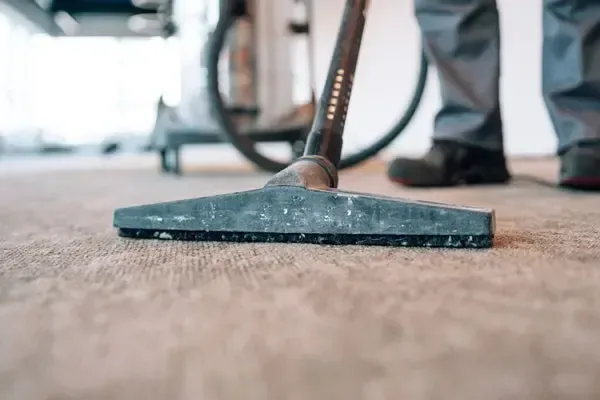
What every water extraction job includes
24/7 dispatch
Active water is treated as urgent at any hour, and the nearest crew rolls with pumps, air movers and meters.
IICRC S500 drying
Truck-mounted extraction, LGR dehumidifiers and air movers, run to a measured dry standard instead of a guess.
Claim-ready records
Moisture maps, daily psychrometric logs and timestamped photos taken before any demolition.
Desert-home experience
Slab floors, attic air handlers, hard water and monsoon runoff shape every drying plan here.
What to do right now for water extraction
- Find the source. The valve is closed or the entry point is noted before pumping starts.
- Pull the water. Pumps clear the depth, then wand extractors lift what carpet and pad hold.
- Map the moisture. A meter and thermal camera mark wet floors, cabinets and wall bases.
- Start the dry-out. Equipment goes in and readings are logged until the wet spots clear.
What does water extraction cost in Tucson, AZ?
Water extraction in Tucson usually costs $1,200 to $9,000 or more, depending on how many rooms are wet, whether the water is clean or dirty, and how deep it stood.
Single room, clean water
- One room extracted
- Moisture readings
- Air movers placed
Several rooms
- Carpet pad removed
- Baseboards pulled
- Dehumidifier running
Whole floor or dirty water
- Floor wide extraction
- Protective gear
- Longer monitoring
Documentation for the insurance claim
The claim file holds a moisture map, daily psychrometric logs, timestamped photos taken before demolition, the water category and class of loss, and a line-item scope. Sudden and accidental water is often covered, while rising flood water usually needs a separate flood policy. Coverage depends on your policy, so check with your own insurer.
Ranges are typical, not a quote: water category, square footage, material class and how fast drying started move the number most. Run the water damage cost calculator for a closer range.
How water extraction is handled, step by step
Water out
Pumps and wands clear the standing depth.
Wet layers up
Soaked pad and loose baseboards are lifted out.
Moisture mapped
Readings show water hidden in walls and subfloors.
Drying set
Equipment runs while logs track each reading.
Extraction is the first job on a wet floor, because every inch of water left standing keeps soaking into carpet pad, baseboards and the bottoms of drywall. Large areas of Tucson have no storm sewers, so monsoon rain floods main roads, usually for a few hours, and some of it finds its way indoors.
How the water comes out
- Pumps clear deep water first, then wand extractors work the carpet, pad and tile.
- Soaked pad is cut out and discarded while the carpet is lifted so both can dry.
- Hard floors get a final pass to lift the thin film pumps leave behind.
- Cabinet bases and wall bottoms are traced with a moisture meter before anything is closed up.
Clean supply water, gray water and sewage change what can be saved, so the source is named before the work begins.
Older adobe walls get extra attention
Barrio Viejo has more territorial adobes than any other Tucson district, and most El Presidio structures date from 1860 to 1920. After the standing water is gone, the mitigation team checks wall bases in older homes like these with a meter and keeps checking as the room dries.
What follows the pull out
Once the surface water is gone, moisture mapping marks the materials that stayed wet. Drying equipment goes in next, and readings are logged on each visit. Large losses move into structural drying and dehumidification, and sewage losses follow the steps in sewage backup cleanup.
Water extraction across Tucson and nearby communities
Extraction work covers neighborhoods from El Presidio, Barrio Viejo and Armory Park to Sam Hughes and East Tucson, which was developed between the 1950s and the 1970s, plus the rest of the city.
The same service nearby: water extraction in Marana, South Tucson, Oro Valley.
Water Extraction questions, answered
Still dealing with it?
Water standing on the floor? The extraction crew starts with the pumps.
(888) 949-8496 Call for pumps and wandsHow soon does standing water need to come out?
As soon as possible, because carpet pad, drywall and cabinet bases keep absorbing water, and damp materials can start growing mold in about 24 to 48 hours.
Can wet carpet be saved after extraction?
Often, when the water was clean and the carpet is lifted and dried quickly. The pad underneath usually has to be replaced.
Does monsoon street flooding reach the inside of homes?
It can. Runoff that pools on a road for a few hours can push through low doorways and garage openings, which is when extraction is needed.
Why are walls checked once the floor looks dry?
Water travels into baseboards and wall bottoms, and a floor that looks dry on top can still hold moisture below. Meters confirm what the eye cannot.
Is sewage water extracted the same way?
The pumping is similar, but sewage is handled in protective gear, soiled materials are removed, and the area is cleaned afterward.
What do older adobe homes need after a flood?
Extra readings at the wall base, since thick adobe walls hold moisture and release it slowly. The drying plan runs longer to match.
Carpet soaked and water still pooling? Get it pulled out now.
Water left on a floor soaks into pad, baseboards and wall bottoms. The extraction crew removes it and measures what is still wet.
(888) 949-8496Call to start extraction