Clean water
Category 1Supply pipes, slab leaks and failed tanks start clean, but water that sits through a warm day can turn gray, so speed matters.
Pipe bursts, monsoon runoff and slow appliance leaks all end the same way in a house here: wet drywall, soaked flooring and a clock running toward mold. The drying team starts with pumps.
(888) 949-8496Water standing in the house? Get pumps movingSewage and storm runoff are treated as contaminated water: the room is sealed, crews wear protective gear and soaked materials are bagged.
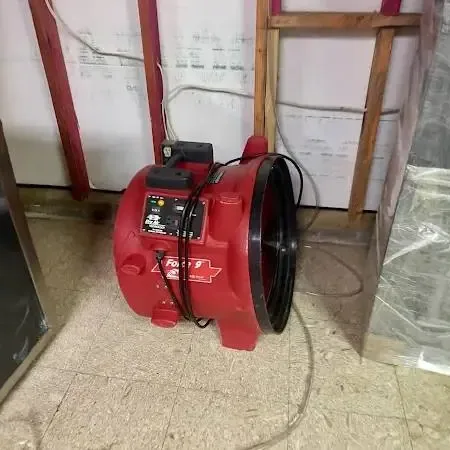
Twelve kinds of water loss are covered, from a quiet slab leak to a flooded garage after a monsoon cell. Choose the one that fits what the house is dealing with.
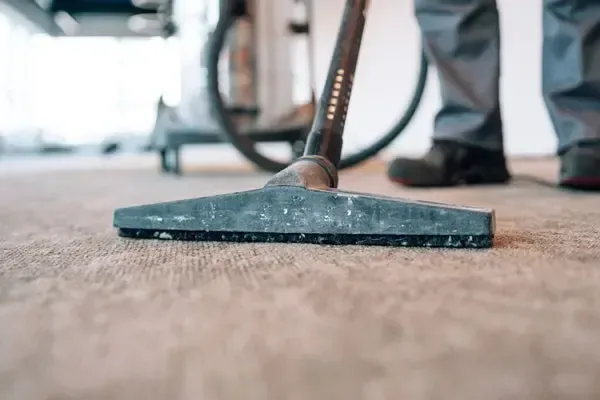 Water ExtractionPumps and wands pull standing water out of carpet, tile and subfloor before it wicks into the walls.View service
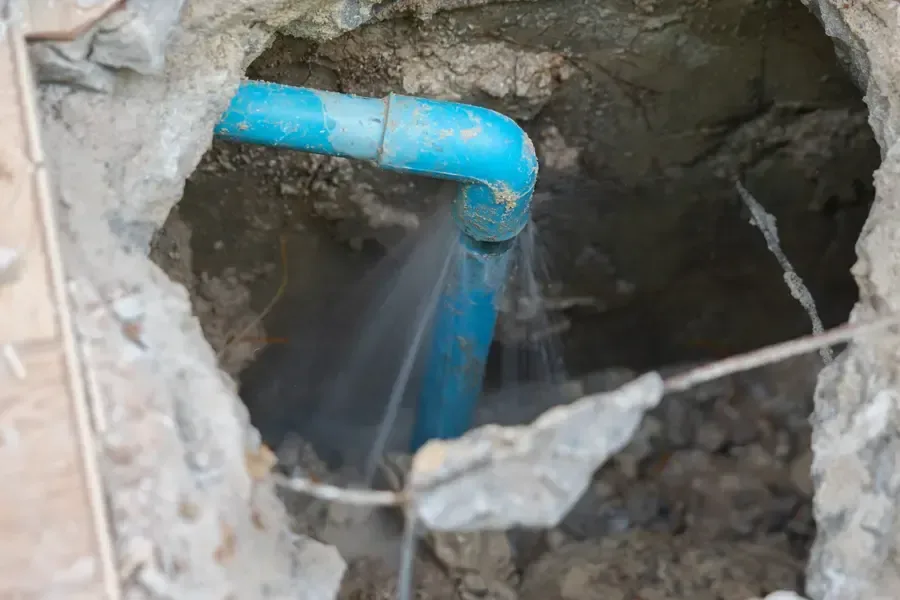 Slab Leak Water DamageWater escaping under a slab can wet flooring and wall bottoms before a stain shows, so the concrete is mapped and dried.View service
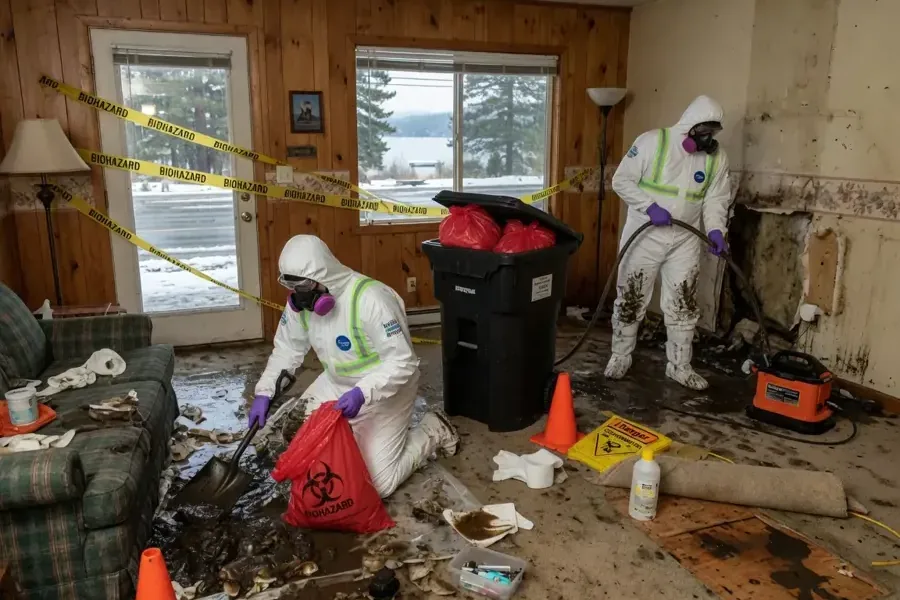 Sewage Backup CleanupA sewage backup is cleaned as contaminated water, with containment, protective gear and disinfecting once soaked materials are out.View service
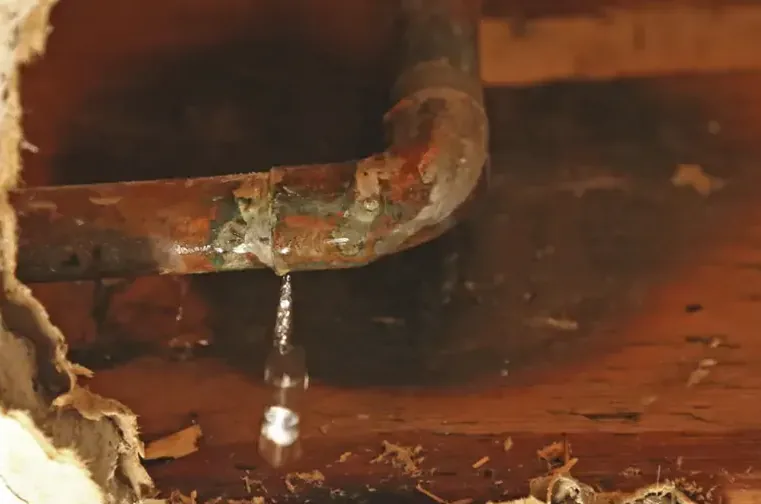
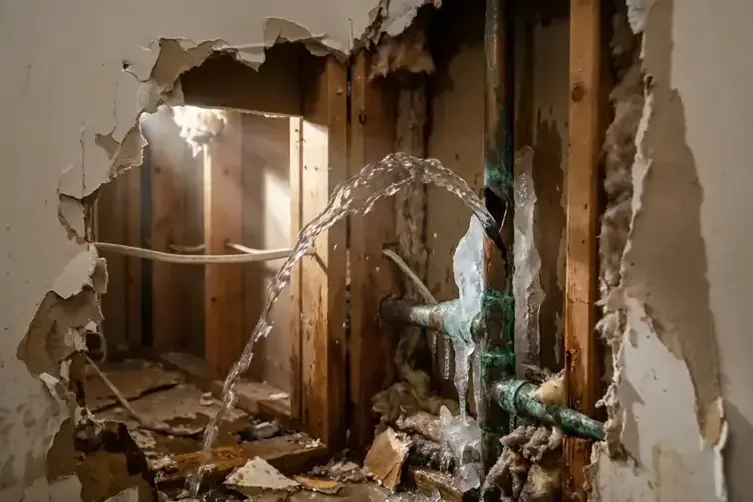 Burst Pipe Water DamageA split supply pipe can soak a wall cavity fast, so water comes out first and the framing is opened to dry.View service
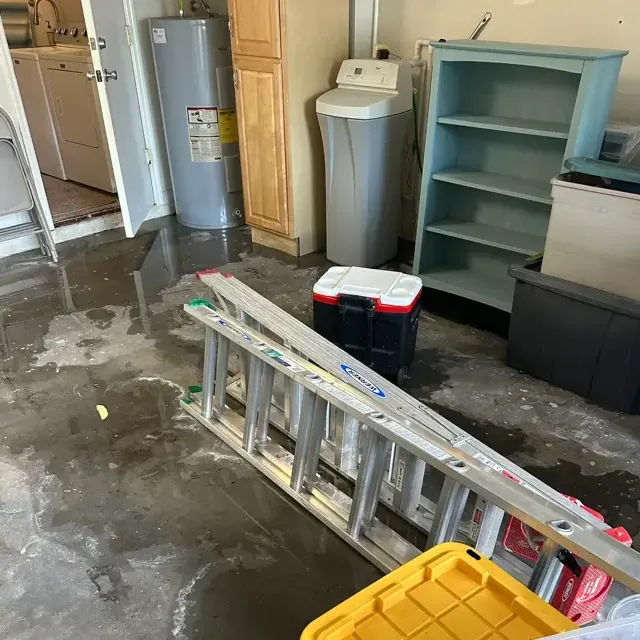
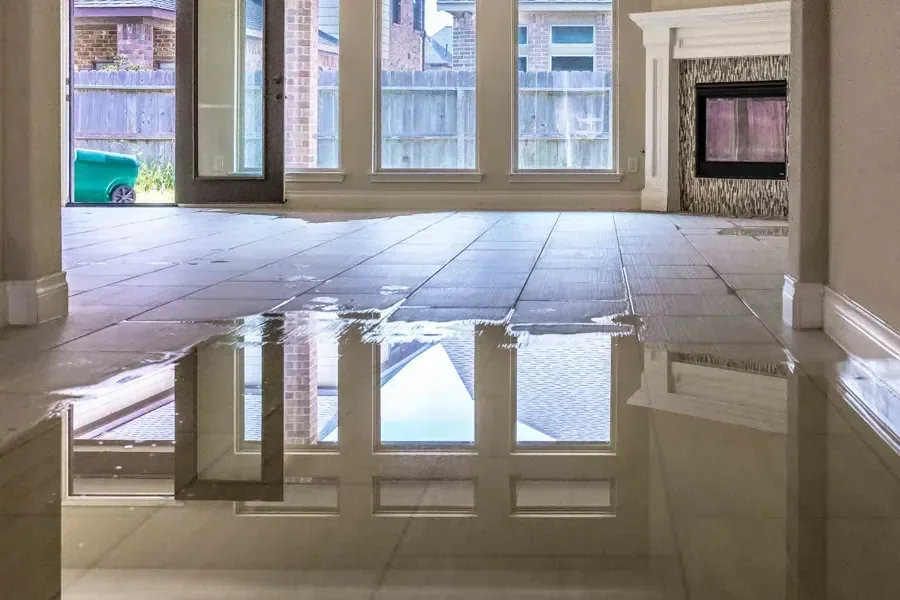 Monsoon Storm and Flood CleanupMonsoon runoff in a garage or living room is pumped out and treated as contaminated floodwater.View service
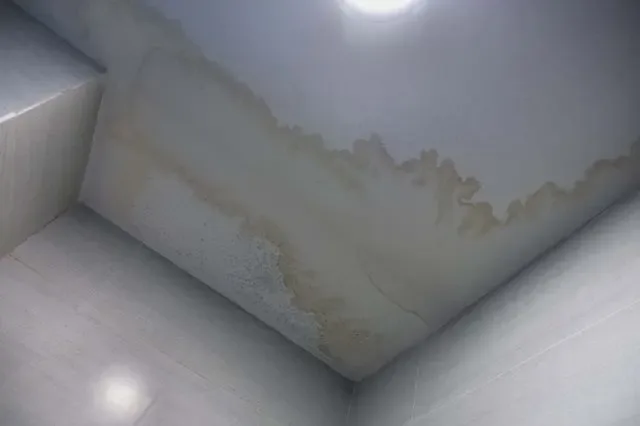 Roof Leak Water DamageRain that gets past flashing or shingles soaks insulation and ceiling drywall, which is pulled and dried before it sags.View service
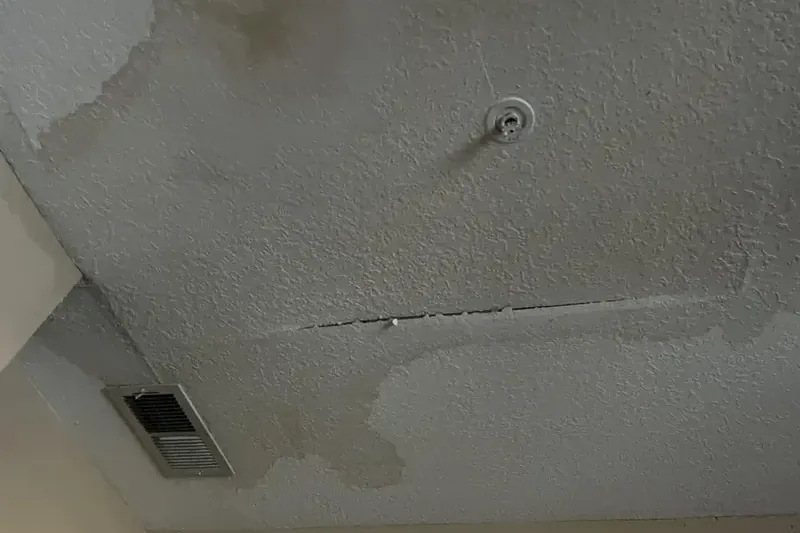 Ceiling Leak Water DamageLeaks from upstairs plumbing, a roof or an air handler leave wet drywall above, so the ceiling gets opened and checked.View service
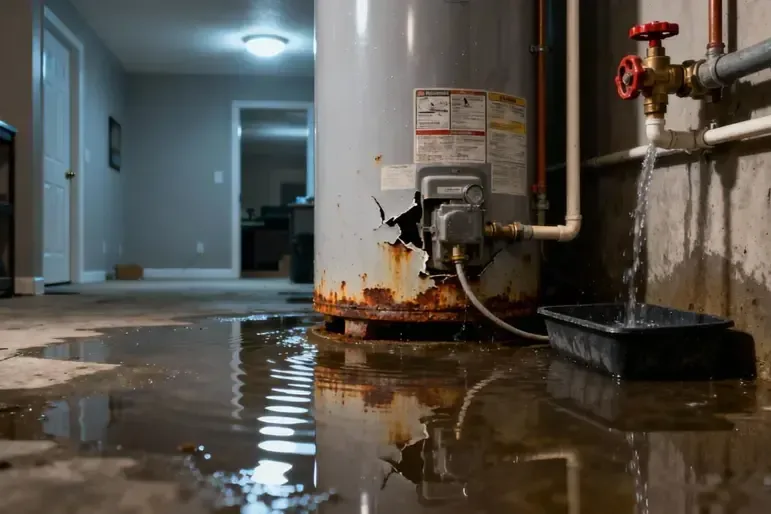 Water Heater Leak CleanupA failed tank can empty a full load onto flooring and drywall, so extraction and drying start right away.View service
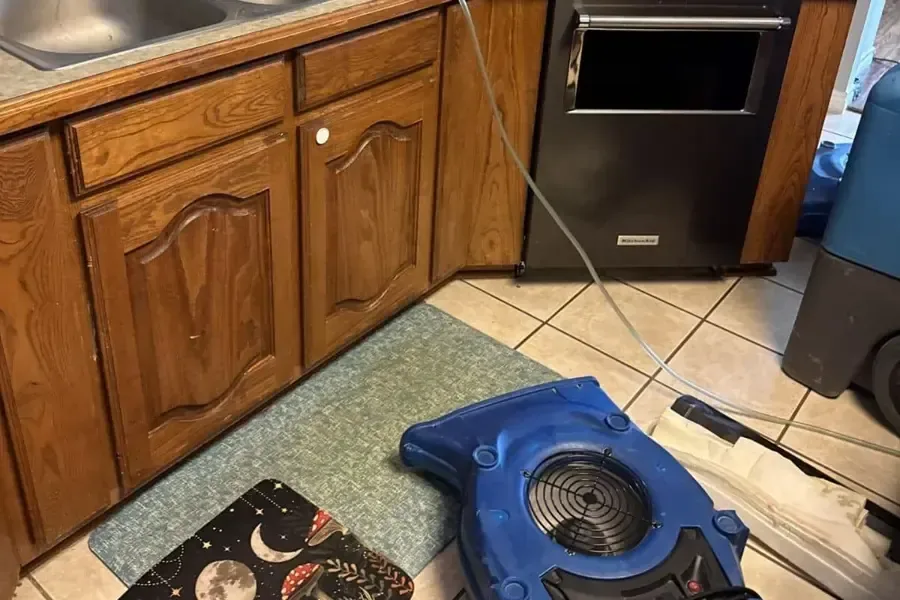 Appliance and Supply Hose LeaksWasher hoses, dishwasher drains and fridge supply tubes leak slowly, and damage can build unseen behind cabinets.View service
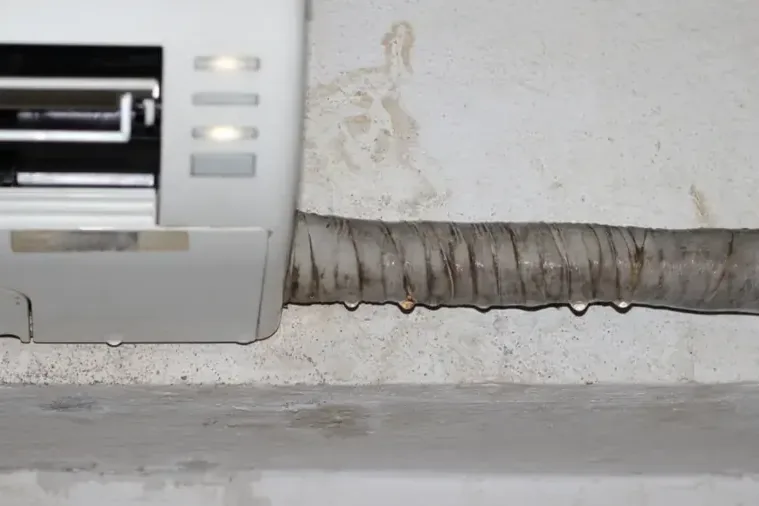 AC and Evaporative Cooler LeaksA clogged condensate drain or a leaking cooler can soak a ceiling and walls, especially when cooling runs hard.View service
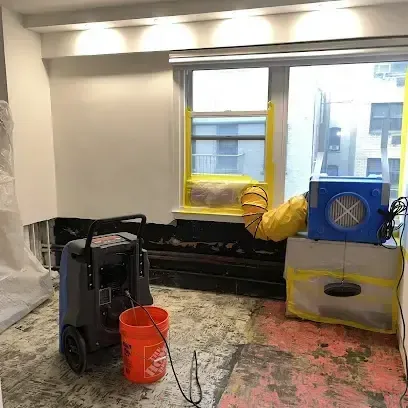
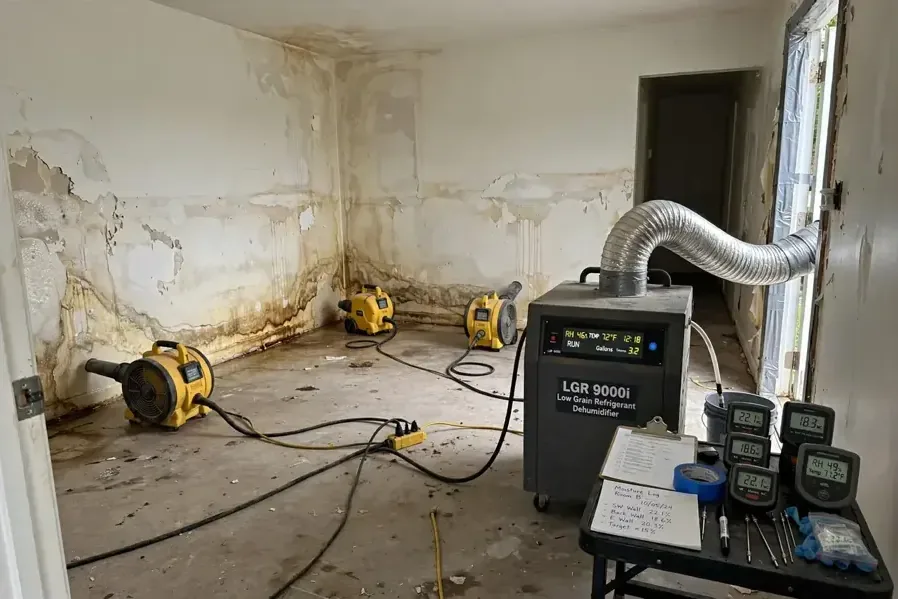 Structural Drying and DehumidificationDehumidifiers, air movers and moisture meters dry wet framing and subfloor until the readings match dry reference materials.View service
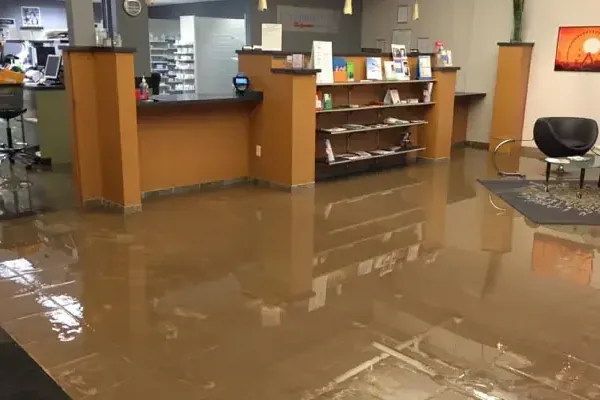 Commercial Water DamageShops, offices and warehouses get drying plans built around keeping the doors open and the floor usable.View service
Cost follows the amount of floor, drywall and dirty water involved, so a small clean-water leak and a sewage loss sit far apart. Three common scopes are priced below, and the final figure comes from the measured loss.
These ranges are typical for this market, not quotes. Photos, moisture readings and the scope of the tear-out set the real figure, and the cost calculator gives a quick estimate to compare.
Adjusters work from evidence, and water loss evidence disappears fast once demolition starts. The drying team records the loss first and keeps the file organized.
Policies differ on sudden leaks, long-term seepage and sewer backup, and many exclude flood water altogether. Reading the water damage section before calling the adjuster avoids surprises.
Mitigation to stop further loss is usually expected quickly, so photos and receipts for pumps, drying and demolition are worth keeping even when coverage is still being decided.
Whether the water came from a split pipe in Robson Ranch or a flooded garage in Toltec, the job follows the same four parts so nothing is skipped.
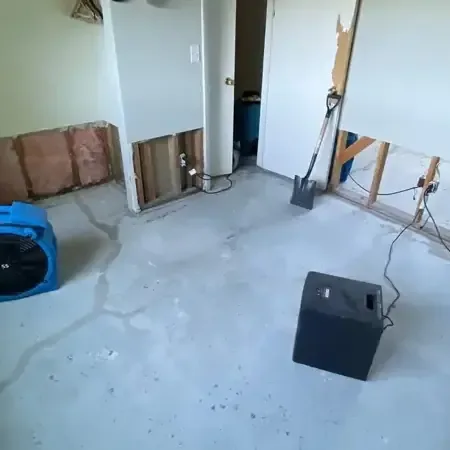
Pumps and extraction wands remove standing water before anything else, because every hour in the structure spreads it further.
Photos, moisture maps and a written scope are kept for the insurance file before any demolition starts.
Equipment is sized to the room, readings are taken daily and nothing is shut off on a guess.
Sewage and flood runoff are contained, bagged and disinfected so the clean areas stay clean.
Supply pipes, slab leaks and failed tanks start clean, but water that sits through a warm day can turn gray, so speed matters.
Washer, dishwasher and sink overflow carries soap and bacteria, so soaked porous materials are usually removed, not just dried.
Sewage and flood runoff are never dried in place. The area is sealed, protective gear goes on and contaminated materials leave in bags.
Walls feel dry long before the framing behind them is. Readings are logged at the start and every day after, and structural drying equipment stays until wet materials match the dry reference.
Moisture meters and thermal imaging mark where the water went, including areas that look dry on the surface.
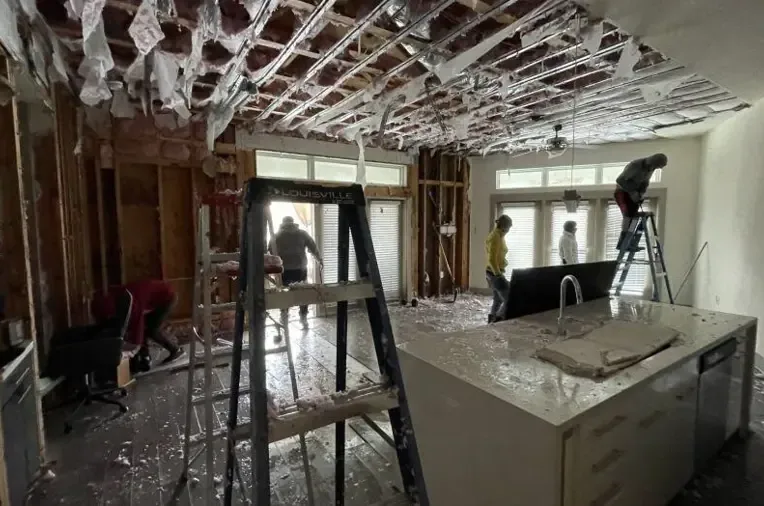
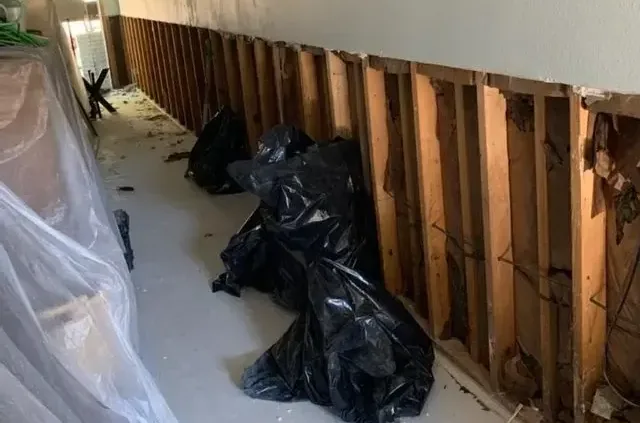
Soaked padding and swollen drywall are cut out and bagged, since they hold water and invite mold.
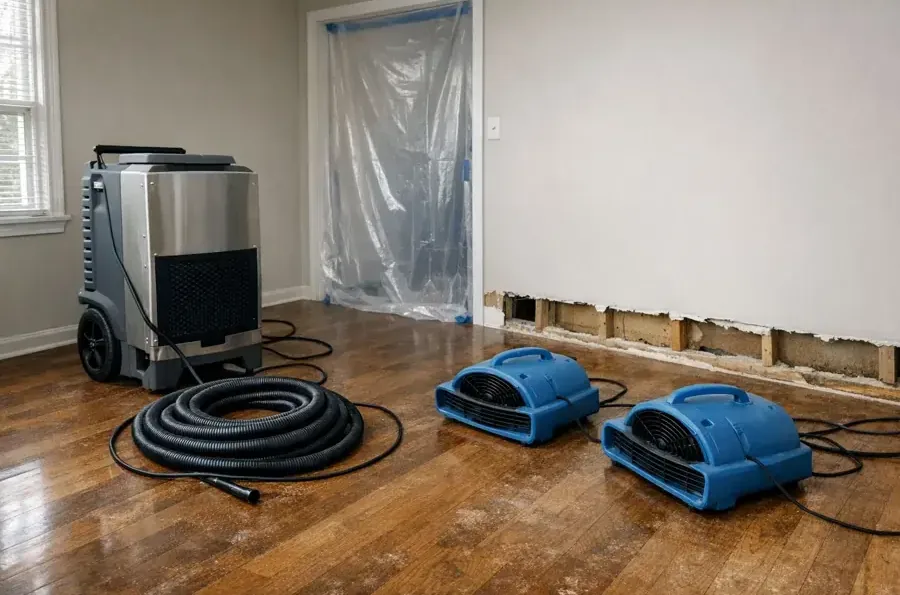
Air movers and dehumidifiers are placed by room volume, with doors, vents and plastic used to keep the wet zone sealed off.
Readings are repeated each visit and compared with a dry reference, and the equipment is pulled only after the numbers agree.
Most jobs start with a cross street and a short description of the water. From that the extraction crew decides which pumps and dehumidifiers to load first.
Service covers ZIP code 85131 and the surrounding Pinal County area, with the same drying standard whether the loss is a bathroom pipe or a flooded shop.
Eloy, AZ · [email protected]
See every town and neighborhood served ›
(888) 949-8496Tell the crew where the water isMonsoon storms test roofs and flood low spots, while plumbing and cooling failures cause water damage the rest of the year. At the 2020 Census, 16.4% of Eloy's 4,213 housing units were vacant, so slow leaks can run unseen.
July 2022: A monsoon storm left over 10,000 people in the Eloy area without power, and the city and Pinal County declared emergencies.
Heavy downpours push rain under shingles and flashing, and wet insulation can hold water against ceiling drywall long after the sky clears.
In October 2025, flash flooding near Battaglia Road and Highway 87 trapped a car and led to a rescue from the car's roof. Floodwater like that carries contamination into any home it reaches.
Triple-digit heat keeps air conditioners and evaporative coolers running hard, and a clogged condensate drain can overflow into a ceiling.
A private company regulated by the Arizona Corporation Commission provides wastewater service to the Robson Ranch area, and a backup there is cleaned as contaminated water.
Washer hoses, ice-maker tubes and water heaters fail without warning, and damage behind cabinets or inside walls can build up for days unnoticed.
Extraction pumps, dehumidifiers and moisture meters are staged for local homes and shops. Name the water source and the rooms involved, and the drying plan starts from that.
(888) 949-8496 Get the pumps startedAs soon as it is found. Wet drywall and insulation can start growing mold after a day or two, and every extra hour lets water travel farther into walls and flooring. Pumps first, then drying, keeps the damage small.
Stop the source if it is safe, keep out of water near outlets, photograph the damage and lift small items off wet floors. Do not run a household vacuum on standing water. Moving wet drywall before photos are taken can complicate a claim.
It depends on the source. Water from a fresh supply pipe starts clean, while sewage and flood runoff are contaminated from the start and need sealed-off cleanup and disinfecting. Clean water that sits for a day or two can slip into the gray category as well.
Heavy rain can get under roofing, overwhelm gutters and push runoff into garages. After the July 2022 storm, the City of Eloy and Pinal County both declared emergencies, which shows how serious a monsoon cell can get.
No one is there to spot a failed hose or drain, so water runs for weeks and soaks flooring, cabinets and framing. Rentals between tenants and houses left empty for the season face the same risk.
Sewage is contaminated. The area is sealed off, protective gear is worn, and porous materials like carpet, pad and wet drywall are removed and bagged rather than dried in place. Surfaces are then disinfected.
Photos, readings and equipment logs go into a file an adjuster can read, but the claim itself stays between the homeowner and the carrier. Policy wording decides what is covered.
Small clean-water leaks run roughly $1,500 to $4,500, multi-room losses climb toward $11,000, and sewage or flood jobs can pass $18,000. The measured scope sets the final number.
It depends on the materials and how long they sat wet. Drywall dries faster than hardwood or framing, and the equipment stays until moisture meters read normal for that material, not for a set number of days.
Yes. Shops, offices and warehouses get drying plans that keep part of the building open where possible, with wet rooms sealed off and equipment placed away from doors.
Pumps, air movers and meters go to the house, and the drying plan follows the readings.
(888) 949-8496Send pumps and a drying crew