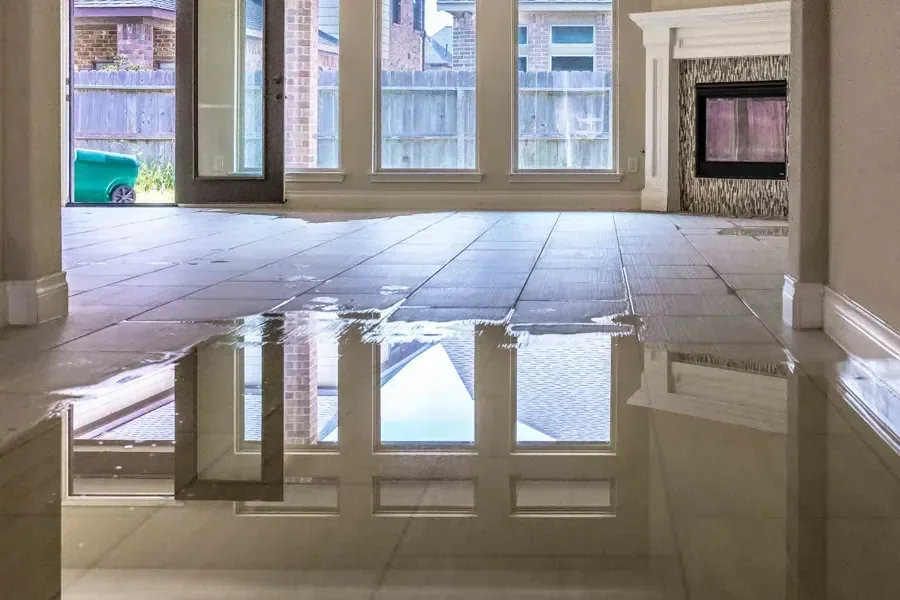
In October 2025, floodwater near Battaglia Road and Highway 87 in Eloy trapped a car, and a man and a baby were rescued from its roof. Floodwater that reaches a home brings a different set of risks.
Key takeaways
- Officials stress that drivers should never enter flooded roadways or washes.
- The city sits in Pinal County, and monsoon storms have tested it, including the July 2022 storm that left over 10,000 people in the area without power.
- Floodwater is contaminated water and is cleaned up differently from a pipe leak.
- Extraction comes first, then carpet, pad and wet insulation are usually removed.
- Drying follows moisture readings, because damp materials can grow mold in 24 to 48 hours.
What the October 2025 flood showed
Flash flooding near Battaglia Road and Highway 87 trapped a car in October 2025. A man and a baby were rescued from the roof of the car.
Flash flooding gives little warning. By the time a street is covered, runoff may already be moving toward nearby garages.
Officials stress that drivers should never enter flooded roadways or washes. Water over a road can be deeper and faster than it looks.
A flooded road is a sign of a wider event. Washes carry fast water, and the same storm can send runoff toward fences, garages and doors.
The same storms that close roads also send water toward garages and doors.
The July 2022 monsoon storm
A monsoon storm in July 2022 left over 10,000 people in the Eloy area without power. The mayor declared a state of emergency, citing the possible loss of water service and residents lacking shelter from the heat.
Pinal County also declared an emergency for the city, Toltec and Arizona City. Residents described triple-digit heat during the outage, and power was back by Wednesday morning.
Storms like this one affect pumps, refrigerators and air conditioners, so a house can have a water problem and a power problem at once.
Power loss and road closures can make a flooded house harder to reach and harder to pump out.
Why floodwater is contaminated water
Floodwater picks up soil, fuel, yard chemicals and waste as it travels. By the time it reaches a house, it is not clean water, even if it looks clear.
That is why a storm and flood cleanup follows the same cleanup class as sewage. Materials that absorb floodwater are removed instead of being dried in place.
Mud is part of the problem. Silt dries into a crust on floors and in wall bottoms and keeps materials damp beneath it.
- Carpet and pad that sat in floodwater are usually discarded.
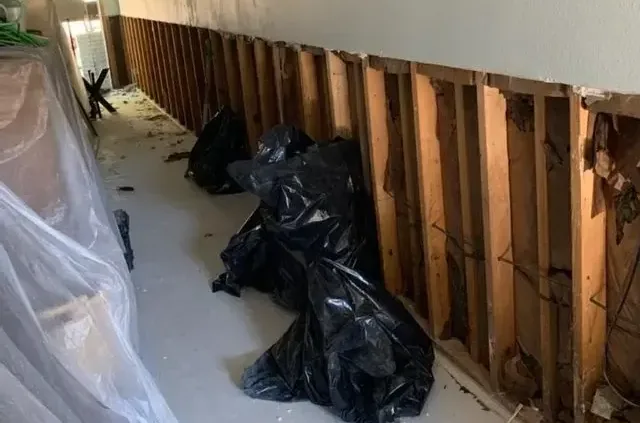
- Drywall that wicked the water is cut above the wet edge.
- Wet insulation inside wall cavities is pulled out.
- Hard surfaces are cleaned, treated and then dried.
First steps when floodwater reaches the home
Safety comes first. Floodwater can hide electrical hazards, sharp debris and slippery silt.
If the power is out, extraction may need portable power. Gasoline engines stay outside, because their fumes are dangerous indoors.
- Stay out of standing water unless the power is off and the floor is safe.
- Do not drive through flooded roads or walk through moving water.
- Photograph the water marks and the damage before moving anything.
- Lift valuables and papers onto higher shelves if that is safe.
- Keep children and pets out of the wet rooms.
- Arrange water extraction before the water settles into the floor.
- Turn off the water main if pipes or fixtures were damaged.
What extraction removes and what drying finishes
Extraction
Pumps and wet vacuums pull the standing water out of garages, living areas and closets. Mud and silt are removed so the floor can start to dry.
Furniture and belongings are sorted into what can be cleaned and what cannot.
Extraction is faster when the floor is clear, so furniture is lifted or moved first.
- Garage floors and low spots are cleared first.
- Mud and silt are scooped out before washing.
- Hard floors are rinsed and treated.
- Belongings are sorted into keep and discard piles.
Drying
Air movers and dehumidifiers run while moisture readings are taken on walls, subfloors and framing. The readings, not the calendar, direct the work and decide when drying is finished.
Damp materials left in place can grow mold in 24 to 48 hours, so drying begins as soon as the water is out.
- Wall cavities are opened where readings stay high.
- Subfloors are checked under flooring that was lifted.
- Equipment is moved and readings repeated each visit.
After the storm passes
Walk the rooms, the garage and any closets that share a wall with a wet space. Look for soft baseboards, swollen cabinet bases and damp carpet edges.
At the 2020 Census, 16.4 percent of the city's 4,213 housing units were vacant, so an empty house can sit wet for days after a storm. Owners and neighbors who check vacant houses after heavy rain catch problems early.
More local help is available through Eloy water damage help, and the general approach is described under monsoon storm and flood cleanup.
A written list of what was removed helps when the rebuild begins.
- Look for soft baseboards.
- Check cabinet bases for swelling.
- Smell closets and the space under sinks.
- Keep a list of discarded items with photos.
Preparing before the monsoon
Monsoon storms are part of life here, so a plan made in spring pays off in summer. A little preparation shortens the response when water does reach a house.
The list below is short on purpose, so that it gets done.
Neighbors who share notes about low spots and drainage help one another get ready.
- Know where the low spots on the property are.
- Keep valuables and papers off the garage floor.
- Know where the main power shutoff is.
- Keep the contacts for a plumber and a restoration team together.
- Photograph each room and its contents now.
Questions
Is floodwater in a house safe to touch?
No. Floodwater carries soil, waste and chemicals, so contact should be avoided. Wear boots and gloves if entry is unavoidable, and wash up afterward. A shower and clean clothes follow any contact.
Which county is Eloy in?
Eloy is a city in Pinal County, Arizona, and it was incorporated in 1949.
Can carpet be saved after floodwater?
Usually not. Carpet and pad that sat in floodwater hold contaminants and are removed. Hard surfaces can often be cleaned and dried, and solid wood and metal furniture may be saved.
What did the July 2022 storm do?
A monsoon storm left over 10,000 people in the area without power. The mayor declared a state of emergency, and Pinal County declared an emergency for the city, Toltec and Arizona City. Residents described triple-digit heat while the power was out.
How is a flooded house dried?
Standing water is extracted first. Air movers and dehumidifiers then run while moisture readings direct the work until framing and subfloor match a dry reference.
Should a flooded house be left to dry on its own?
No. Materials that stay wet keep absorbing, and moisture hides in wall bottoms and subfloors. Extraction and measured drying protect the structure.