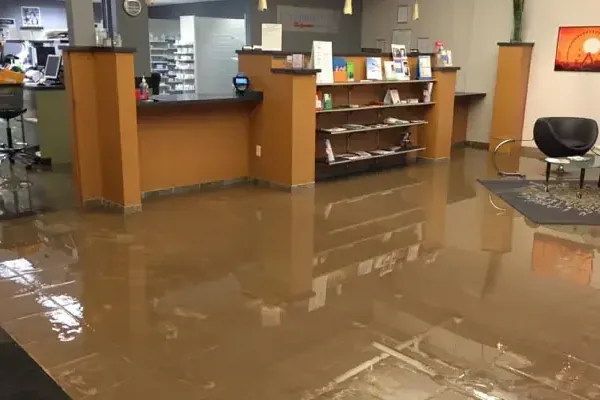
South Tucson is known for its Mexican restaurants, shops, colorful buildings and outdoor murals. When water gets into a kitchen or storefront, every day closed is a day without sales.
Key takeaways
- The Mexican restaurants on South Fourth Avenue have long been a draw, so a closed kitchen hurts the whole stretch.
- Kitchens run on hoses, dish machines, ice makers and floor drains that can all leak.
- Extraction comes first, then drying in phases so part of the business can stay open.
- Photos and a list of damaged stock support any claim.
- Areas are released for use as readings come back dry.
Why water hurts a restaurant row
The Mexican restaurants on South Fourth Avenue have long been a draw, and shops and colorful buildings fill out the city's character. A leak that closes one kitchen takes meals off the table for regular customers.
For a shop, the loss is not only the repair. It is the days of lost sales while the floor, the walls and the stock are sorted.
The city also has an economic development plan and an incentive program to attract business. Owners and developers are looking at business parks, restaurants, retail shops and multifamily projects that complement downtown Tucson.
New or old, every building has the same weak points: pipes, drains, roofs and equipment.
Where the water comes from
In the kitchen
A kitchen packs a lot of water-using equipment into a small space. Most of it sits against walls and under counters, where leaks go unseen.
Floor drains deserve a mention. A drain that backs up sends dirty water across the kitchen floor, and that water is handled as contaminated.
- Dish machine hoses and drain connections.
- Ice machine supply and drain tubes.
- Prep sink and floor drains that back up.
- Water heater tanks.
- Hand sink supply connections.
In the dining room and storefront
Roof leaks, air conditioner drains and restroom overflows reach customer areas. A leak from a neighboring space can also cross a shared wall.
- Ceiling stains from the roof or air conditioning.
- Restroom overflows into hallways.
- Supply leaks inside walls.
- Water from a neighboring space.
In restrooms and back rooms
Supply stops, toilets and water heaters are small parts that fail at a bad moment. A restroom overflow can run behind a wall or under a floor before anyone sees it.
- Toilet and sink supply stops.
- Water heater fittings in a storage room.
- Mop sink drains.
- Floor cleanouts.
Protecting stock, equipment and records
In a business, the clock runs on stock and equipment as well as on the building. What can be moved early is worth saving.
Safety comes first, then high-value or hard-to-replace items, then bulk stock. A short list kept by the office door makes that order easy to follow.
- Move paper goods, dry stock and inventory out of the wet area.
- Unplug equipment standing in water, only if the plug and floor are safe to reach.
- Photograph and list every damaged item.
- Keep invoices and receipts for replacement costs.
- Lift records and electronics onto shelves.
- Cover shelving with plastic when a ceiling is dripping.
Phased drying that keeps doors open
Commercial drying works best in phases. The team dries the worst-hit rooms first and uses containment so a dry dining room can stay open while a wet back room is worked on.
Keeping a counter, a prep area or a storefront open depends on air handling too. Air movers are placed so that noise and airflow stay in the work zone, and water extraction clears the wet floor first.
Commercial water damage work is planned around the owner's hours. Structural drying then runs zone by zone.
Night and early morning work can keep daytime service intact. The schedule depends on the building and the owner.
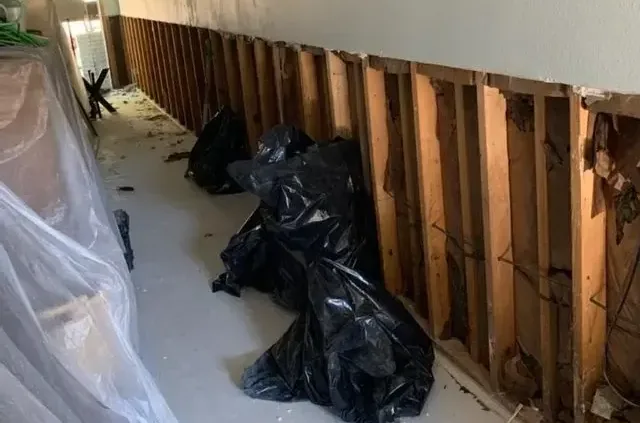
- Walls, floors and ceilings are measured and mapped.
- Equipment is placed zone by zone.
- Readings are logged until materials are dry.
- Areas are released for use as they pass.
- Plastic barriers separate wet and dry areas.
Documenting the loss
A written record supports every later decision. Photos, dates and lists matter more than memory.
Coverage depends on the policy and on the cause of the loss, so the owner reads the policy wording or asks the insurer before assuming anything.
Insurers and landlords may ask for the same details. A single folder with photos, readings and invoices answers most requests.
Invoices from the plumber or roofer matter as much as photos, because they show the cause of the loss.
- The date and time the damage was found.
- Wide and close photos of each wet area.
- A list of discarded stock with quantities.
- The plumber's or roofer's report.
- Receipts for emergency purchases.
Preparing for the next loss
An owner who prepares loses less when water does arrive. A few habits make the first steps faster for the whole staff.
- Know where the main shutoff is and mark it.
- Post a contact list for a plumber and a restoration team.
- Inspect hoses behind equipment on a schedule.
- Teach staff the first steps.
- Keep a list of after-hours contacts.
- Back up records somewhere other than the shop.
What the first visit covers
The walk-through
The team follows the water to its source, lists the affected rooms and checks the equipment. A moisture meter shows where the water went inside walls and floors.
Extraction
Standing water is pulled first, so it stops spreading to dry areas. Wet stock and fixtures are moved out of the way.
The plan
Work in a busy shop is staged around deliveries and service times.
The team and the owner agree which rooms must stay open and which can close. That choice sets the order of the drying zones.
More about local help is on the South Tucson water damage pages.
Questions
Can a restaurant stay open during drying?
Often a dry area can stay open while a wet area is worked on, if containment keeps dust and equipment noise from customers. The plan depends on how far the water spread and how the rooms connect.
Which leaks affect restaurants most?
Dish machine hoses, ice machine tubes, floor drains and water heater tanks are common sources in kitchens, and roof or air conditioner drips reach dining rooms. Checking those parts on a schedule catches slow leaks early.
Should wet stock be saved?
Porous stock such as cardboard and paper goods that soaked up water is usually discarded. Sealed, non-porous items can often be cleaned and kept. Keep a list with photos so the loss can be explained later.
How is the work scheduled around business hours?
The plan is built around when the shop or kitchen needs to be open. Extraction comes first, and the heavier drying work is staged so that service can continue where possible. The owner approves each stage.
What if the leak started in a neighboring space?
Document the damage and tell the property manager or neighbor. Cleanup can start on the affected side while responsibility is sorted out.
Is a burst pipe in a shop different from one in a home?
The steps are the same, but a shop has more at stake in stock, fixtures and open hours. The plan covers keeping part of the space in use.