Slab Leak Water Damage in Oro Valley, AZ
A leaking pipe under the concrete wets the floor from below, often while a seasonal home sits empty. The drying crew lifts soaked flooring, dries the slab and wall bottoms and records each reading.
(888) 949-8496Meter spinning with every tap off? Get slab drying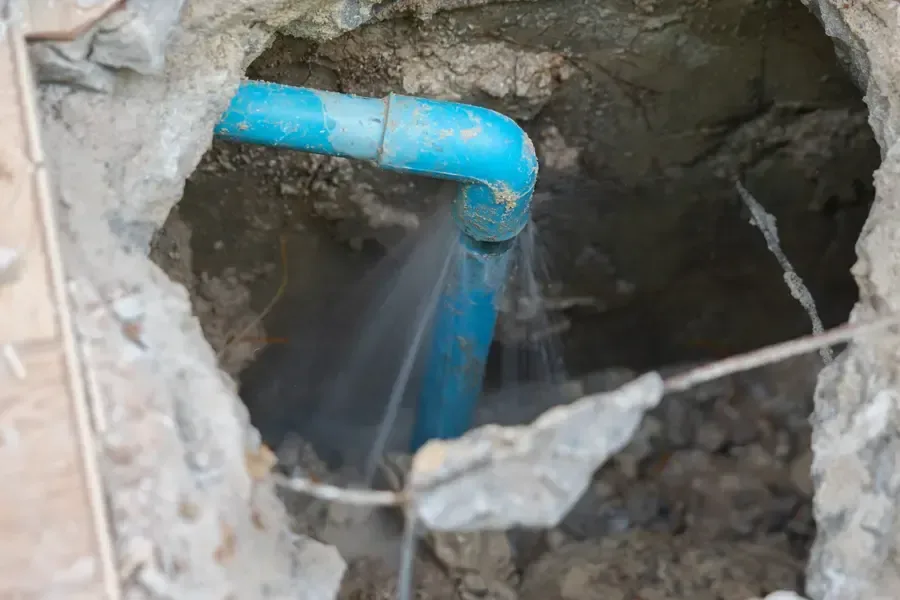
What every slab leak water damage job includes
24/7 dispatch
Active water is treated as urgent at any hour, and the nearest crew rolls with pumps, air movers and meters.
IICRC S500 drying
Truck-mounted extraction, LGR dehumidifiers and air movers, run to a measured dry standard instead of a guess.
Claim-ready records
Moisture maps, daily psychrometric logs and timestamped photos taken before any demolition.
Desert-home experience
Slab floors, attic air handlers, hard water and monsoon runoff shape every drying plan here.
What to do right now for slab leak water damage
- Read the water meter. Turn off every fixture; a meter that still moves means water is escaping somewhere.
- Close the main valve. Shut the main if the meter keeps turning.
- Turn off the heater feed. When the hot side leaks, close the cold supply above the tank too.
- Photograph the floor. Capture warm spots, damp carpet and lifting tile before removal.
What does slab leak water damage cost in Oro Valley, AZ?
Slab leak water damage cleanup here usually costs $2,500 to $15,000, depending on how many rooms got wet, the flooring type, how long the leak ran unnoticed and whether desiccant drying is required. The pipe repair is billed separately.
Single room, found fast
- One room of flooring up
- Baseboards removed
- LGR dehumidifier
Kitchen plus nearby rooms
- Toe kicks opened
- Lower walls dried
- Plastic containment
Leak ran for weeks
- Several rooms of flooring
- Desiccant units
- Longer monitoring
Documentation for the insurance claim
The claim file holds a moisture map, daily psychrometric logs, timestamped photos taken before demolition, the water category and class of loss, and a line-item scope. Sudden and accidental water is often covered, while rising flood water usually needs a separate flood policy. Coverage depends on your policy, so check with your own insurer.
Ranges are typical, not a quote: water category, square footage, material class and how fast drying started move the number most. Run the water damage cost calculator for a closer range.
How slab leak water damage is handled, step by step
Map the concrete
Meters trace how far water spread beneath the floor.
Remove wet layers
Soaked flooring, pad and baseboard come out.
Dry the slab
Containment with LGR and desiccant units.
Confirm dry
Daily checks until readings match dry concrete.
When a supply pipe running under or through a concrete slab springs a leak, the water rises into whatever covers the floor. Tile, carpet pad and laminate soak from beneath, so the damage is usually wide before anything shows. Because many owners here keep a second or winter home, a pinhole can run for weeks in a house nobody is living in.
Clues that point to a leak below the floor
- A water meter that keeps turning with every fixture shut
- A patch of floor that feels warm underfoot
- Grout, vinyl or carpet that stays damp with no source in sight
- A bill that jumps for no reason, or a faint hiss with everything off
Owners who are away part of the year can ask a neighbor to read the meter now and then, which catches a slow leak early.
Plumber and drying crew, side by side
Electronic leak detection and the pipe repair belong to a plumber, who may cut into the slab or reroute the pipe overhead. The drying crew deals with everything the water reached: it maps the slab and the bottom of each wall, pulls up wet flooring and pad, takes off baseboards and starts drying the concrete as soon as the leak is confirmed.
How wet concrete gets dried
A slab counts as a Class 4 material because it absorbs water deeply and gives it up slowly. The crew tents the wet area in plastic, runs LGR dehumidifiers and brings in desiccant units if readings stall. Meter checks happen at the same marked spots every day until they match dry concrete elsewhere in the house, and new flooring waits until then.
Slab leak water damage across Oro Valley and nearby communities
Slab leak drying reaches homes across the foothills, from Rancho Vistoso and Rancho Catalina to Campo Bello Estates, Shadow Mountain Estates, Suffolk Hills and the Linda Vista Citrus Tracts, plus ZIP 85737 and 85755.
The same service nearby: slab leak water damage in Marana, South Tucson, Tucson.
Slab Leak Water Damage questions, answered
Still dealing with it?
Slab leak wetting the floors? The drying crew sets up 24/7.
(888) 949-8496 Book a foothills slab readingHow many days does a slab need to dry after a leak?
Typically four to ten. Concrete gives up water slowly, and a leak that ran for weeks in an empty house takes longer than one caught right away.
Does every floor tile have to be pulled up?
No. Carpet and pad over the wet zone usually go, while tile can often stay if readings beneath it come down. Laminate rarely makes it.
Can the family stay in the house while the slab dries?
In most cases, yes. The wet area is sealed off in plastic and the equipment runs day and night inside it.
Why does one spot on the floor feel warm?
A leak on the hot water pipe warms the concrete above it, which makes a warm patch one of the most common clues.
Will insurance pay for a slab leak?
Many policies cover the resulting water damage and the cost of reaching the pipe, but not the pipe itself. Ask your own insurer.
Can mold start under wet flooring?
Yes. Wet pad and tack strip can start growing mold within 24 to 48 hours, so drying should begin quickly.
Who fixes the broken pipe?
A plumber. The responding restoration contractor handles the water damage and drying while that repair happens.
Floor warm and meter moving? Get the slab dried out this week.
Water under a slab creeps into flooring, cabinets and the bottoms of walls. The drying crew maps it and dries the concrete.
(888) 949-8496Begin the foothills slab dry-out