Structural Drying in Oro Valley, AZ
Wet drywall, framing and subfloor dry only when airflow, heat and dehumidification are balanced, so the drying team sets equipment, logs readings and adjusts until the materials reach their dry targets.
(888) 949-8496Oro Valley structural drying help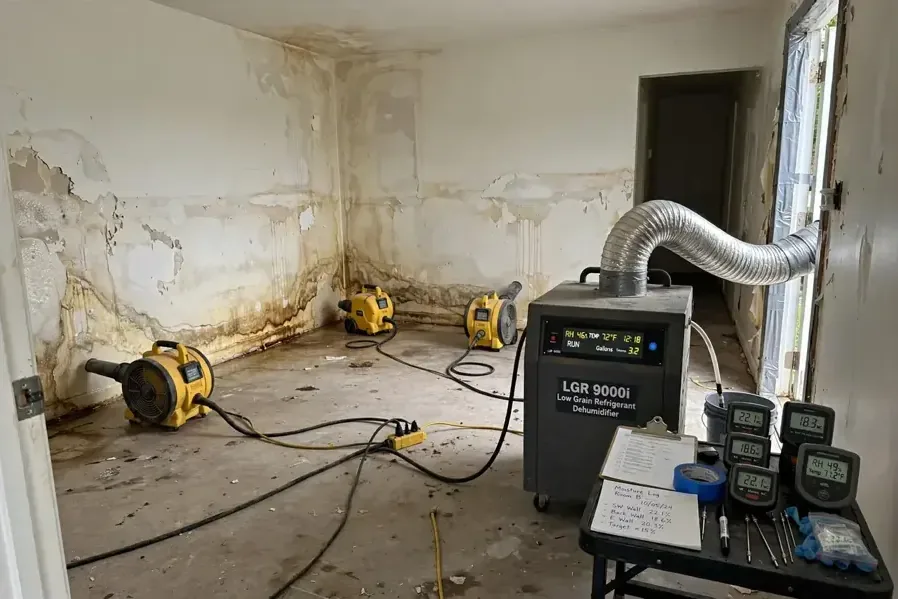
What every structural drying and dehumidification job includes
24/7 dispatch
Active water is treated as urgent at any hour, and the nearest crew rolls with pumps, air movers and meters.
IICRC S500 drying
Truck-mounted extraction, LGR dehumidifiers and air movers, run to a measured dry standard instead of a guess.
Claim-ready records
Moisture maps, daily psychrometric logs and timestamped photos taken before any demolition.
Desert-home experience
Slab floors, attic air handlers, hard water and monsoon runoff shape every drying plan here.
What to do right now for structural drying and dehumidification
- Take starting readings. Meters record moisture in walls, floors and framing.
- Set the equipment. Air movers and dehumidifiers go where readings are highest.
- Check every day. Readings are repeated and the setup is adjusted.
- Confirm it is dry. Equipment comes out only when materials reach dry targets.
What does structural drying and dehumidification cost in Oro Valley, AZ?
Structural drying in Oro Valley runs $1,500 to $3,500 for Class 1 or 2, $3,500 to $7,000 for Class 3 across several rooms and $7,000 to $10,000 or more for Class 4.
Class 1 or 2, one area
- Air movers
- Dehumidifier
- Daily readings
Class 3, several rooms
- Wall cavities opened
- Multiple dehumidifiers
- Daily logs
Class 4, dense materials or hardwood
- Drying mats
- Desiccant unit
- Extended monitoring
Documentation for the insurance claim
The claim file holds a moisture map, daily psychrometric logs, timestamped photos taken before demolition, the water category and class of loss, and a line-item scope. Sudden and accidental water is often covered, while rising flood water usually needs a separate flood policy. Coverage depends on your policy, so check with your own insurer.
Ranges are typical, not a quote: water category, square footage, material class and how fast drying started move the number most. Run the water damage cost calculator for a closer range.
How structural drying and dehumidification is handled, step by step
Measure
Meters log starting moisture in each room.
Place
Equipment goes in where readings are highest.
Monitor
Daily checks steer any equipment changes.
Release
Equipment leaves once materials are dry.
Standing water is only part of a loss. Moisture left in drywall, framing and subfloor keeps working after the surface looks dry, which is why drying is monitored with meters instead of judged by feel. The drying team follows a plan built from the water type and the materials involved, and links to work like water extraction when water still stands.
How equipment is chosen
- Air movers push dry air across wet surfaces
- LGR dehumidifiers pull moisture out of the room
- Desiccant units handle cooler or very damp spaces
- Injection or panel systems reach wet wall cavities
Equipment is placed from the readings, then moved as areas dry, so the rooms that stay wet get the most airflow.
Monitoring the drying
Meters read the same spots every day, and the numbers drop as materials give up water. When a reading stalls, the team changes the setup or opens another section. The log shows exactly when each material reached its target, and the same records back up the insurance claim.
Dense and layered materials
Thick framing, subfloor layers and hardwood hold water longer than drywall and often need special mats or panels. Dense materials dry on their own schedule, and no drying time is promised before the meters are read. See appliance leak water damage for a common cause.
Structural drying and dehumidification across Oro Valley and nearby communities
Drying work runs throughout town, from homes in Suffolk Hills, Campo Bello Estates and Shadow Mountain Estates to Rancho Vistoso, Rancho Catalina and the estates of La Cholla Airpark, in houses of every size.
The same service nearby: structural drying and dehumidification in Marana, South Tucson, Tucson.
Structural Drying and Dehumidification questions, answered
Still dealing with it?
Walls and floors still damp? The drying team is ready.
(888) 949-8496 Set up monitored dryingHow is drying measured?
Moisture meters read drywall, framing and subfloor each day, and readings are compared to dry reference points on unaffected materials.
Do the fans have to run for several days?
Equipment runs until the meters say the materials are dry. No fixed time is promised because water type, materials and humidity all change it.
Why is a dehumidifier used with air movers?
Air movers lift moisture off surfaces into the air. The dehumidifier then removes it from the room, or the air just reabsorbs the water.
Can wet drywall be dried instead of replaced?
Sometimes. Clean water caught early can often be dried in place, while sagging or contaminated drywall is cut out.
What happens if drying stops too soon?
Moisture left in framing and subfloor can lead to mold in 24 to 48 hours, odors and warped materials, which is why the numbers decide.
Does a dry looking wall mean the drying is done?
No. Paint and drywall can feel dry while framing and insulation behind them still hold water, so meters decide when it is finished.
Water gone but the house still damp? Get the readings taken.
Moisture left in framing and subfloor causes odors and damage later. The drying team sets equipment, logs readings and stays on the job until the numbers are dry.
(888) 949-8496Oro Valley drying help